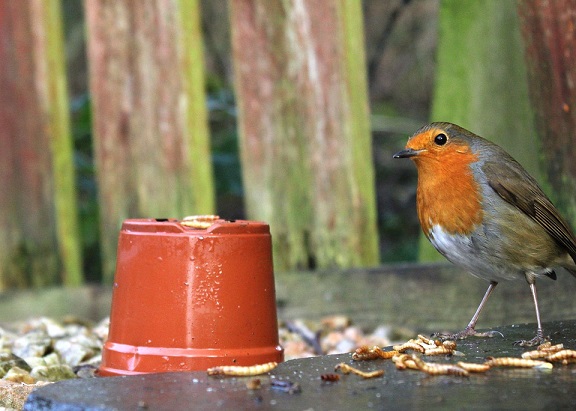
Feeding live bird food to your garden visitors can be a bit intimidating - but it's easier than you think! Read our live bird food tips to get started.
Live bird food usually consists of insects and bugs, and is an alternative to the usual seeds and nuts that tend to fill garden feeders. In nature, insects are a significant part of the diets of many different birds. Hence, the classic image of the early bird getting the worm! Live bird food tends to be a good source of protein for our feathered friends, particularly mealworms.
We know that not everyone is keen to order a bunch of wriggling worms to their house (we do offer dried mealworms as an alternative) but the benefits to your local birds can be worth the discomfort. For some tips and advice on handling live bird food, as well as why you should give it a go, read on!
Why Feed Birds Live Bird Food?
Insectivorous birds (birds who eat insects) are at risk when they don't have access to enough food, and insect populations are in decline in the UK. The lack of mature, native trees in our gardens and ever-decreasing areas of natural woodland means that wild birds cannot find the live bird food they need to feed their young. This means fewer eggs, and fewer fledglings. Help these birds by providing live bird food, particularly during periods of colder weather and breeding periods.
Raisins attract a variety of birds to your garden. These are nutritious for them and are loved by many birds as well as hedgehogs and squirrels. Bird feed often includes raisins in the blend. But did you know that these are very harmful for the pets? Raisins pose a potential threat to the health of the cats and dogs and if consumed by the pets may lead to grave problems such as kidney failure. This is because of the presence of possibly some particular toxin that leads to such renal failures amongst the pets. Those who have cats and dogs as pets should be very careful when it comes to handling bird feed that contains raisins.
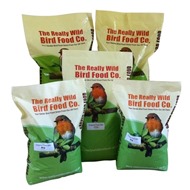
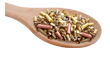
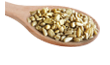
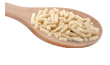
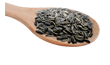
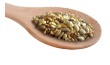
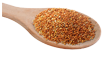
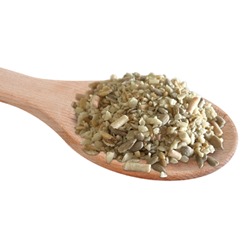
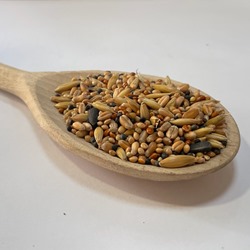
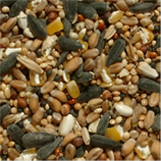
At Really Wild Bird Food we have added a new blend of bird feed to our range that is raisin free and thus absolutely safe to use with pets around. This bird feed blend includes flaked maize and home grown and rolled naked oats, pinhead oatmeal, peanut granules, white millet and the plumpest sunflower hearts which makes this bird feed blend a high energy feed and very healthy and nutritious for the birds. This blend is best suited for a number of ground feeding birds such as robins, thrushes, blackbirds, dunnocks and finches and can be used all year round.
Those who do not have pets can go for the Ground Blend which is a fruit and nut muesli for ground feeding birds and is packed full of succulent raisins. Raisins are loved by birds such as blackbirds and thrushes and this blend is great for all such raisin lovers.
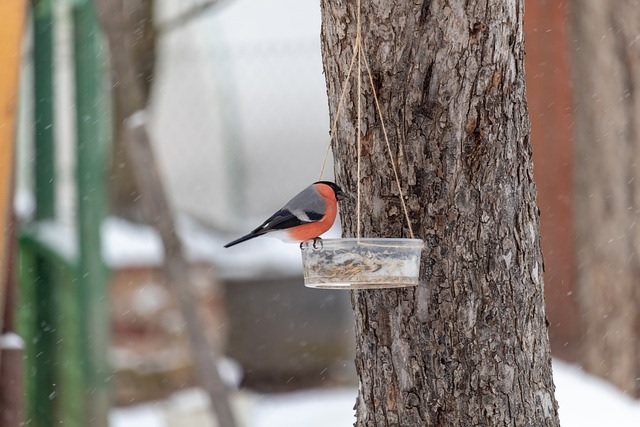
Birds are at their most vulnerable during the winter months, when the weather is harsh and food is hard to come by.
You can help your garden birds to survive the winter by making sure they have access to plenty of food and drinking water. However, this can prove difficult: wet weather may spoil the food in your bird feeders, and if snow or ice accumulates on your feeders over winter, this may render the food inaccessible.
In order to prepare your bird feeders for winter and see your feathered friends through this difficult time of year, here's what you'll need to do...
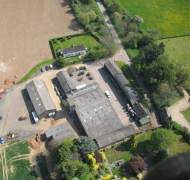
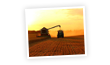
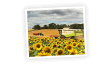
Not so long ago, feeding the birds was simply a matter of hanging up a plastic string of nuts and scattering stale bread. Now, bird tables are groaning under a smorgasbord of Robin Crumble, Finch Mix, insect-flavoured suet blocks and bowls of live mealworms. Even the humble peanut has been overtaken by the sunflower seed in a lofty £180 million bird food industry. Richard and Lesley Smith, owners of the Really Wild Bird Food Company, are one of a handful of producers who sow and grow their own bird seed. Here, on their 400-acre farm, near Bishop's Waltham, in Hampshire, fields of sunflowers light up the downs alongside millet, linseed, oats, rape and wheat. The seed is harvested, cleaned, mixed and packed before being sold online or at the local farmers' market in Winchester.
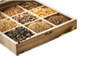
As a farm diversification scheme, growing and selling bird food seems to have taken off. From its early beginnings with just a few home-grown ingredients and a shovel, The Really Wild Bird Food Company is now in its fourth year of trading, with sales increasing even in the recession. ''Garden birds soon become part of the family,'' says Smith. ''Once our customers start feeding their birds they tend to carry on. They also like the fact that the food is fresh, home grown and fully traceable. All our mixes have been formulated to attract as wide a variety of birds as possible. Our most popular 'original' mix has 13 ingredients.''