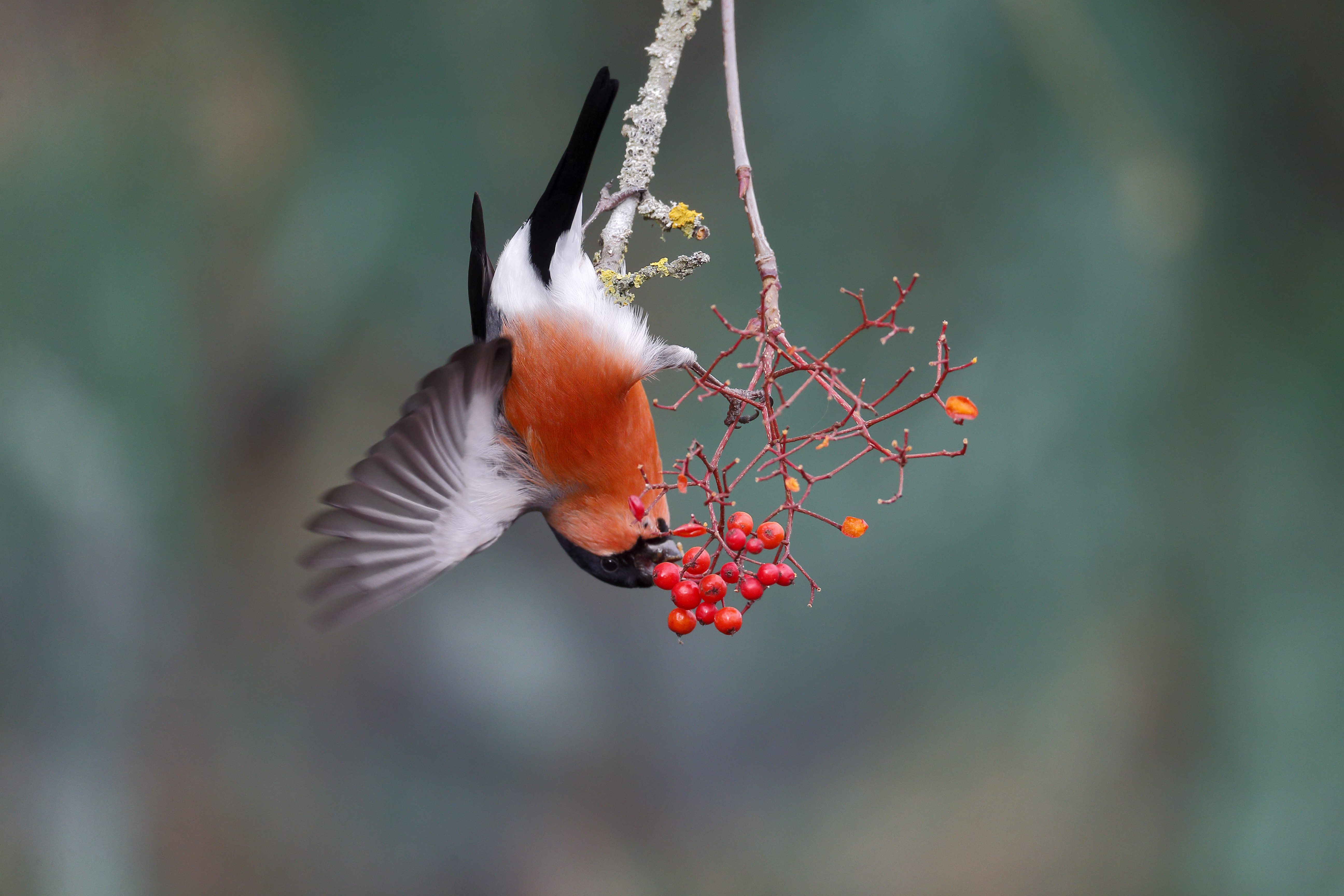
Bird profile – Bullfinch (Phrrhula pyrrhula)
The bullfinch is a beautiful well known garden bird. Bullfinches are appreciated for their striking appearance and pleasant song. Their presence adds charm and beauty to gardens and woodlands, making them a joy to observe for birdwatchers and nature enthusiasts alike.
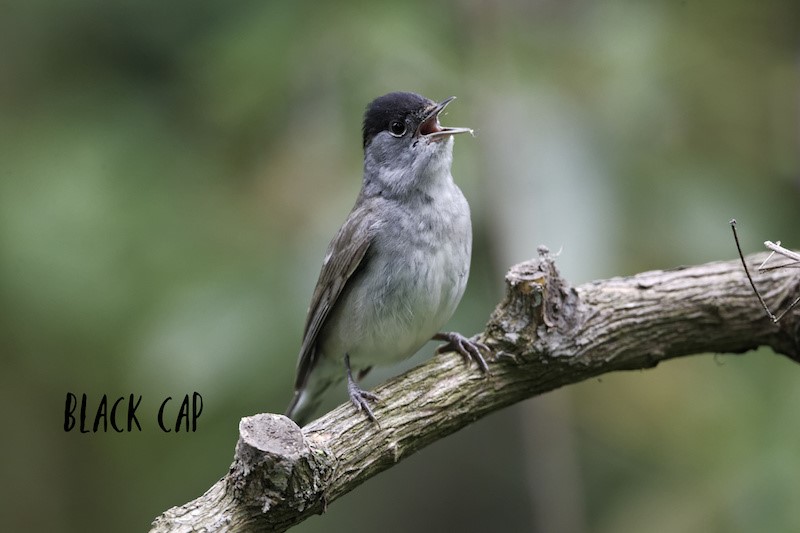
The Black Cap (Scientific name - Sylvia atricapilla)
This bird is a very distinctive garden bird, the male (above picture) has a black cap and the female has a chestnut cap. The juvenile males also have a brown cap. The Black Caps have thin beaks and grey/brown wings. They are a similar size to the well loved robin! The Black Cap measures around 13cm and only weighs around 21g.
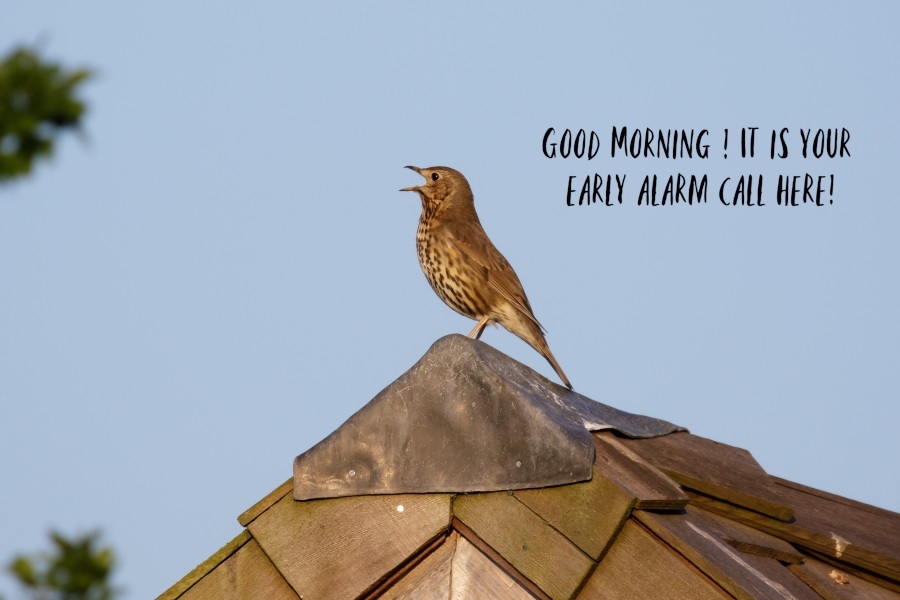
This time of year is very special in terms of early morning birdsong. I would like to say that I spring out of bed at 5am to ride out on my bike, but the reality is somewhat less energetic than that (and a bit later as well!).
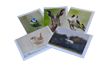
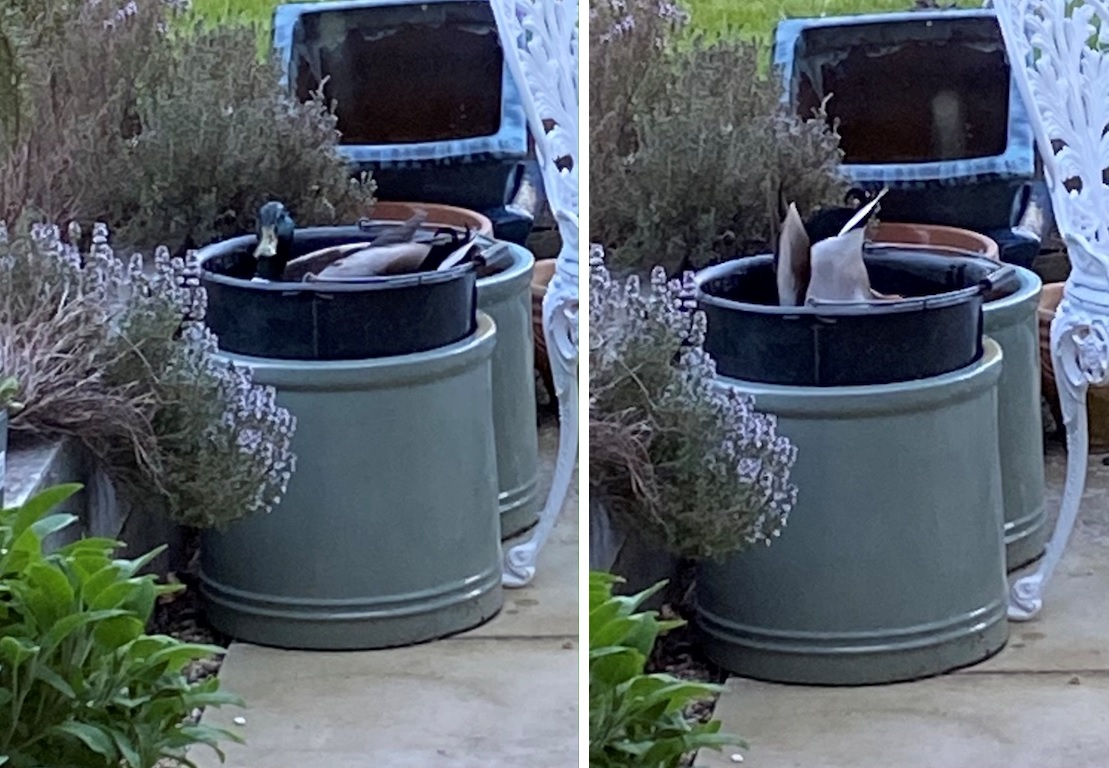
The sun is shining as we approach the end of the month - but gosh that wind is cold! I thought I would share these photos with you. I am afraid the photography isn't up to much - but I hope you will enjoy nevertheless.
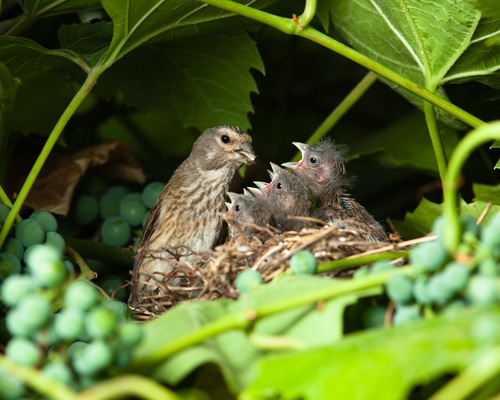
The linnet (Linaria cannabina) is a small finch that can be found in most parts of Great Britain and Ireland. Linnets are known for their melodious song - listen here - and used to be very popular as cage birds.
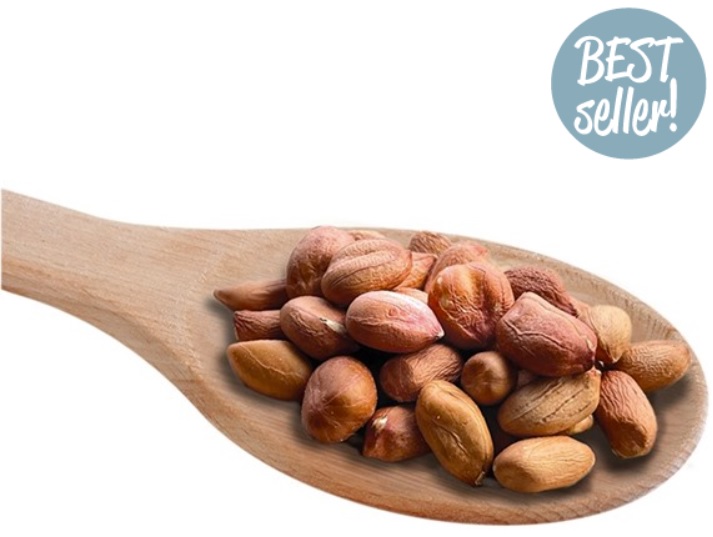
Premium Peanuts
Buy Better, Buy Less, Do More
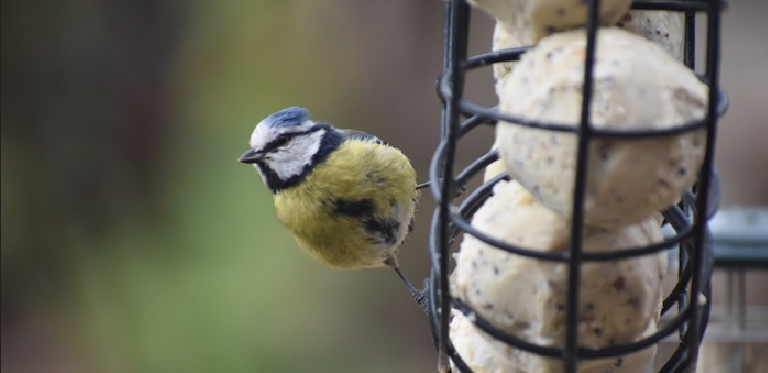
Good quality fat balls are an excellent source of nutrients for wild birds. They are a high-energy source of healthy fats and calories, making them a particularly valuable bird feed option for wild birds in the winter months.
Fat balls are also great for the breeding and migration seasons when wild birds will need as much energy as they can get. However, there are a few things you may need to know when it comes to feeding fat balls to wild birds.