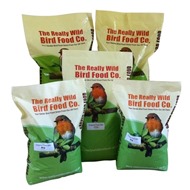
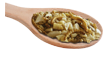
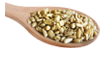
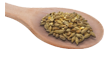
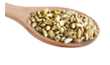
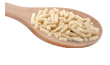
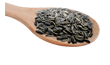
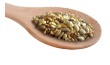
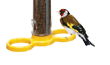
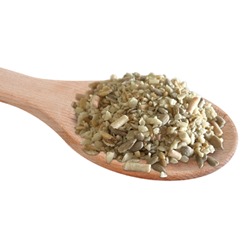
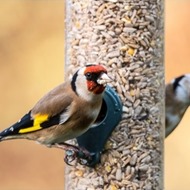
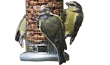
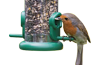
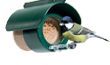
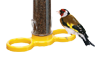
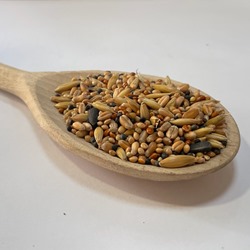
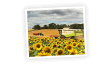
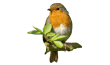
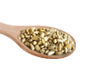
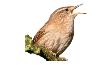
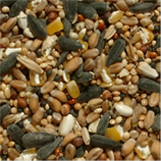
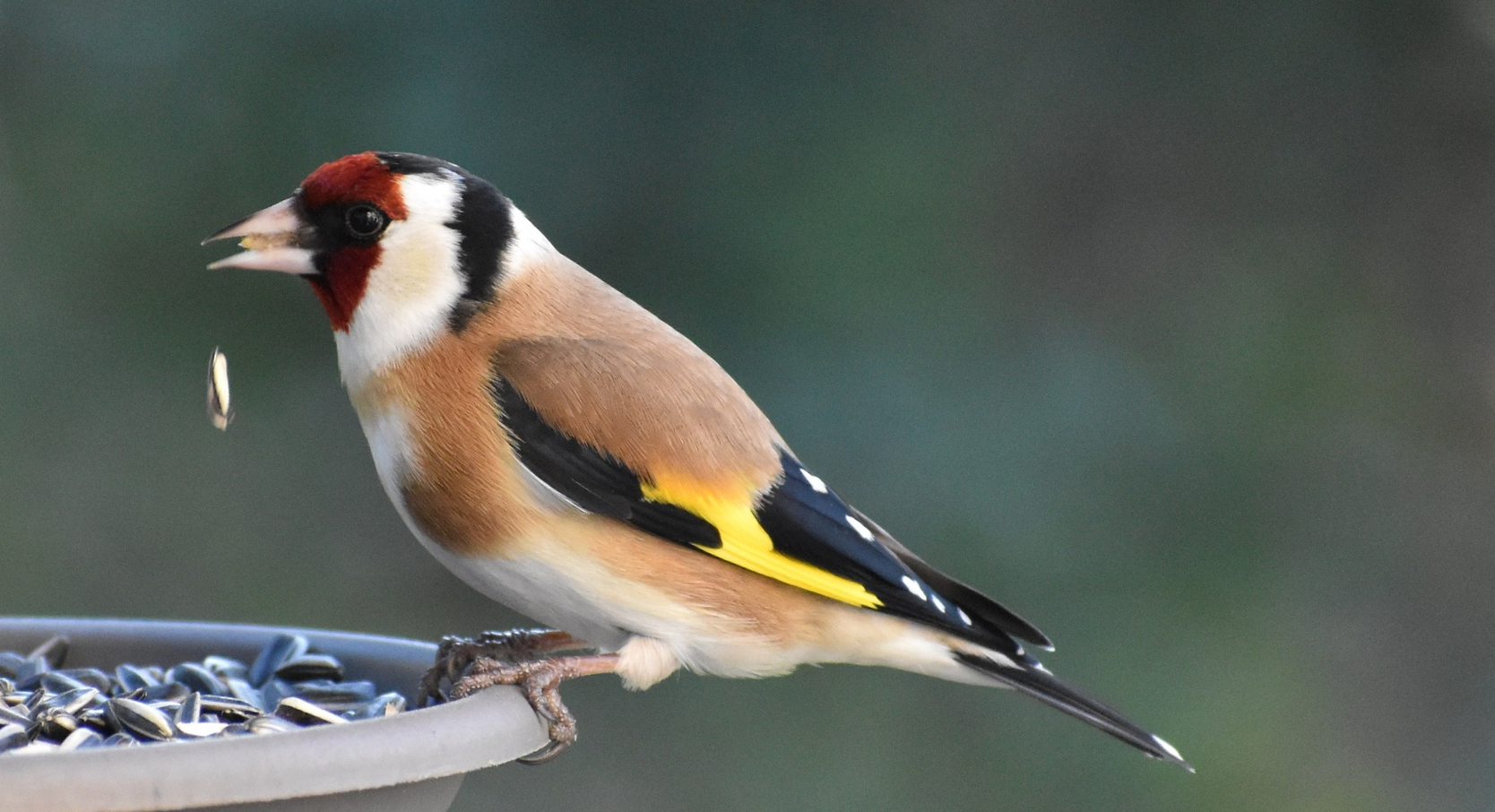
Sunflower seeds are a highly nutritious snack loved by all manner of wild birds! Sunflower seeds are packed with a wide variety of valuable nutrients including iron, magnesium, and vitamins A, B, C, and D.
Sunflower seeds are also a great source of healthy oils and fats which are great for helping wild birds maintain a healthy weight, especially during the difficult winter months.
As well as being very nutritious, sunflower seeds are also super yummy! Wild birds can’t get enough of their delicious taste! If you put sunflower seeds out in your garden, these are just a few of the wild birds you might expect to pay you a visit:
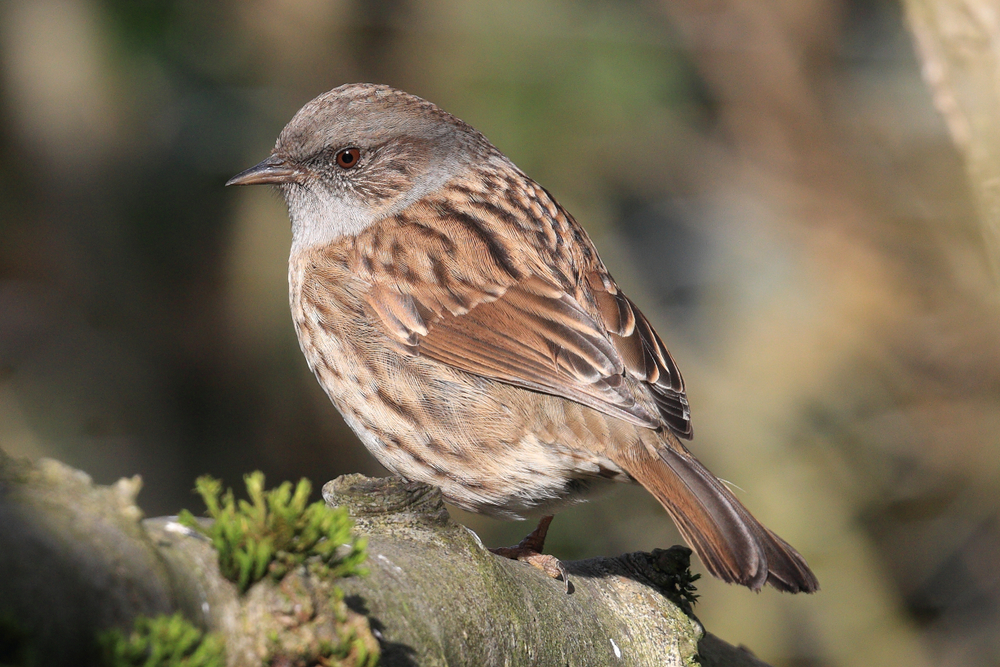
Dunnocks are sweet little hedgerow birds, often called “hedge sparrows' but of course they are not a sparrow!
They have a different colouration and a much thinner beak than the sparrow. The males and females are almost identical in colouration. They have sharp pointed little bills; well developed for finding insects in nooks and crannies. Whilst they are designed to eat insects, spiders and worms, they will also eat seeds, particularly in the winter time when natural food is scarce. They hunt for food on the ground, often hopping around in dead leaves under hedges, bushes and woodland. They will perch on low branches and can fly only small distances. When they sing they have a high-pitched whistling ‘tseep’.
While there is a lot of emphasis on feeding wild birds in the winter, it’s actually beneficial to feed garden birds all year round! There’s a common misconception that birds don’t need to be fed in the summer months, and even that feeding birds in the summer will make them fat and lazy, but that’s not the case!
While it’s true that winter can be a particularly difficult time for wild birds with natural food (and occasionally drinkable water) being in short supply, wild birds will benefit from feeding all year round. Feeding wild birds through all seasons is an effective way to support their populations; improving chick numbers born and the survival of youngsters, and helping adults to stay in good body condition.
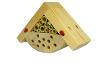
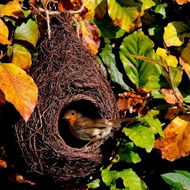
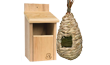
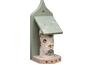
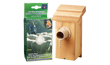
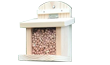
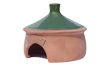
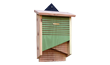
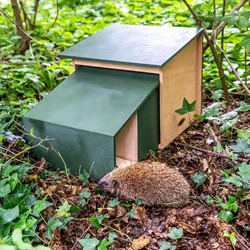
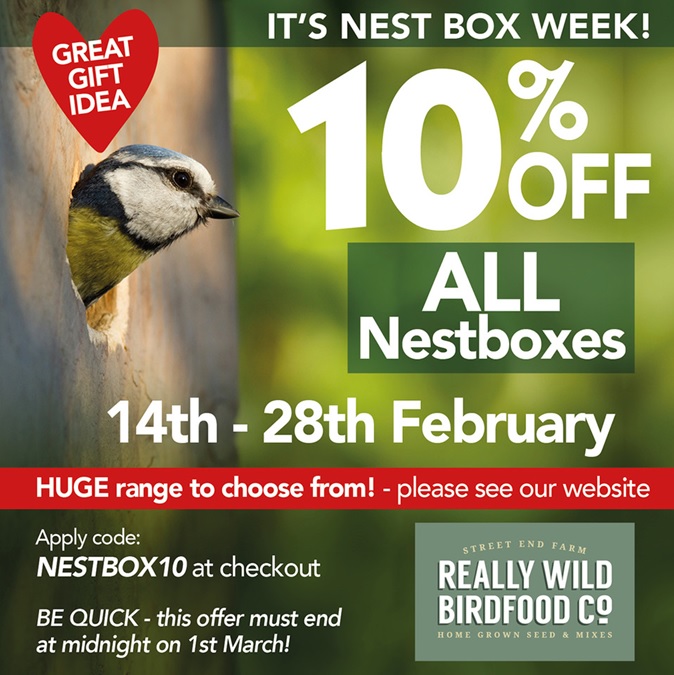
Nest boxes mimic natural hollows, providing birds with a comfortable and safe place to raise their young. At Really Wild Bird Food, we offer a range of nest boxes and pouches so you are sure to find one that works for the birds in your garden. Click the button below to browse our available options!
Winter can be a dark and gloomy time of year, with the dark days and chilly weather chasing most wildlife into either hibernation or migration. As we push into February the days are slowly growing longer and the sounds of bird songs are in the air, which can only mean one thing – spring will be on its way soon, and it’s almost time for National Nest Box Week!
National Nest Box Week is a great opportunity to put some time aside and take part in fun activities designed to help support your local wildlife. If you’ve never participated in National Nest Box Week before and are looking for some more information, you’re in the right place!
Hello! Who has the January Blues?
Well I don't know about you, but January isn't my favourite month. It all starts off with good intentions; lose the 7lbs gained over the Christmas period ( failed so far ), stick to this year's New Year's resolution to label up food that I put in the freezer for easy ID ( failed - so we had a spaghetti bolognese rather than the chilli this week !) , spend less time on electronic devices and more time reading books.. so far only managed a couple of pages before falling asleep each night… there's room for improvement, and topped off with a lovely 31st January deadline for paying our Tax. Roll on February!
As the cold winds blow and temperatures plummet, there’s no denying that winter is well on its way! In the winter months, birds can struggle to find enough food to get by.
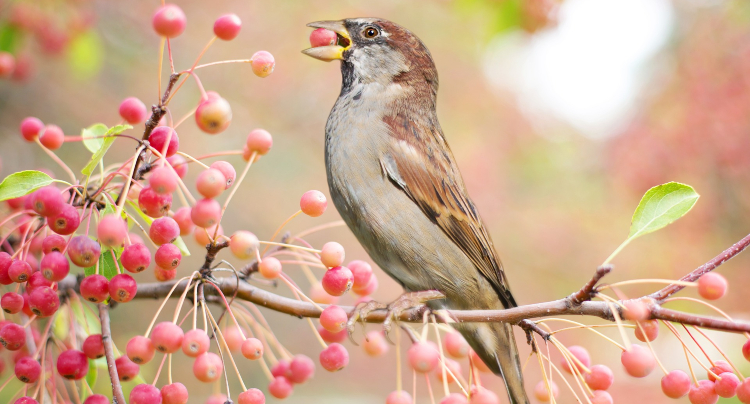
Berries are an important food source during winter months, when many other food sources are scarce and the ground is too hard to hunt for burrowing insects.
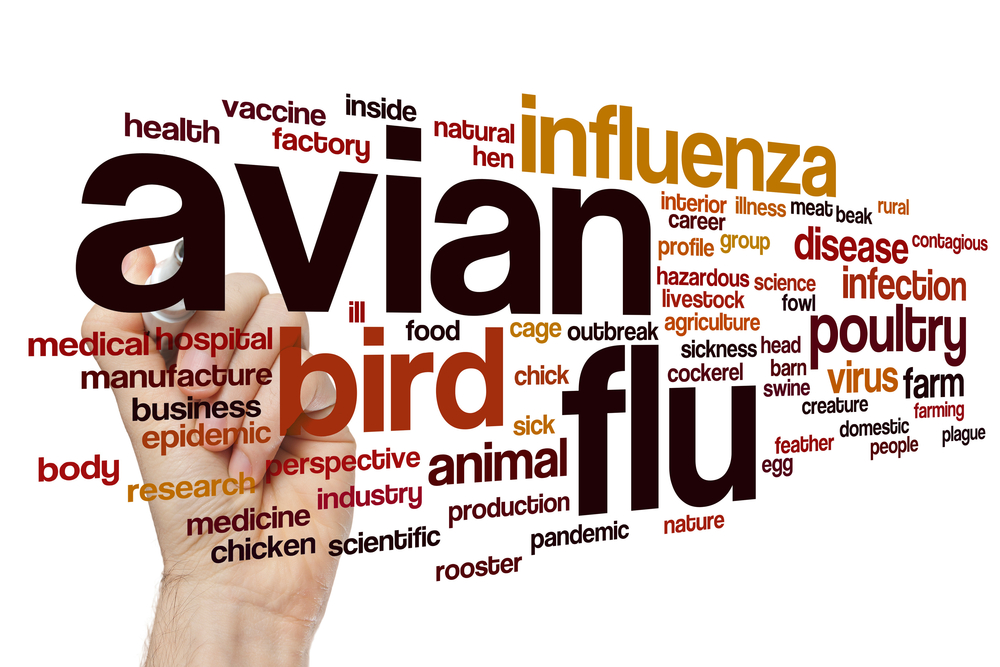
Bird flu ( also known as avian influenza ) is a notifiable, infectious disease that affects both wild birds and kept poultry. It has a significant and devastating effect on birds and can spread extremely fast, making the need for the fast implementation of control measures urgent and important. According to current Government guidelines, "Great Britain (England, Scotland and Wales) is currently in an Avian Influenza Prevention Zone ( AIPZ). This means that "by law, you must follow strict biosecurity measures to prevent the spread of the virus.