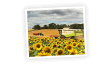
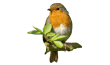
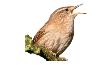
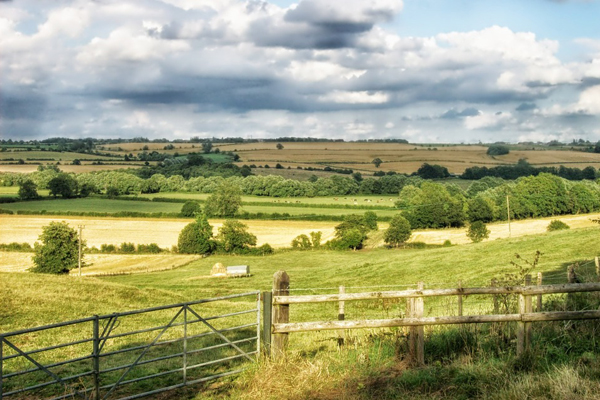
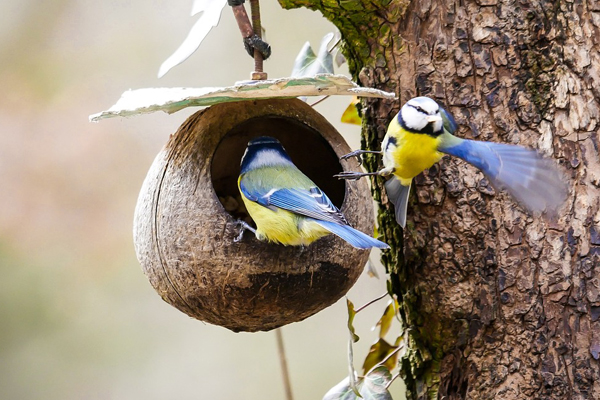
The UK Farmland Bird Indicator is made up of 19 different species of birds that are dependent on British farmland. This means that these birds they are predominantly reliant on farmland environments, unable to thrive outside of this habitat.
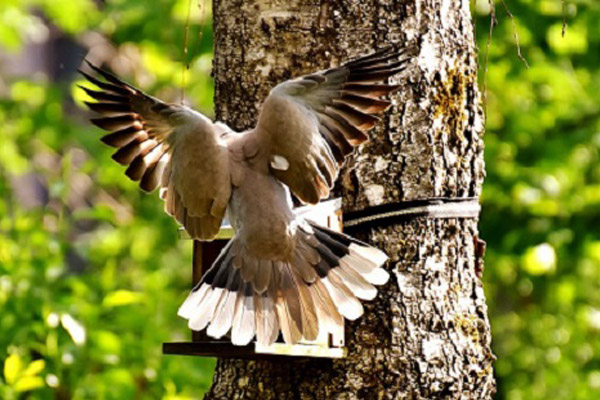
Of these 19 different species, a number of them are in stark decline. While the woodpigeon and the jackdaw have seen a widespread increase over the years, there are several species of farmland birds that have seen a dramatic decrease.
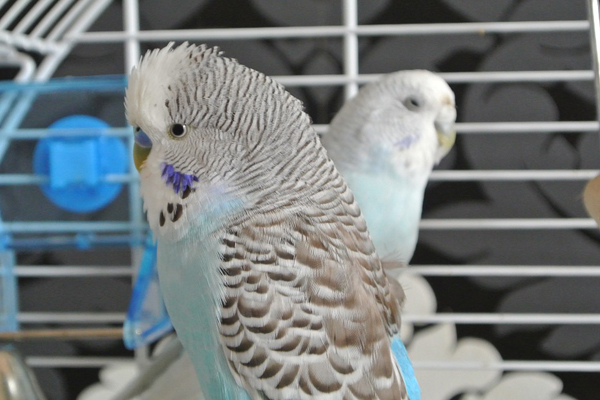
Whether you've owned birds before or you're a completely new bird owner, it's important that you familiarise yourself with your pet's dietary needs. If you want your feathered companion to have a long life, a happy disposition and gorgeous, glossy feathers, then try and take these pet bird diet tips on board!
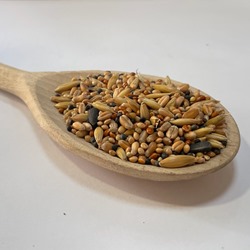
The best diet for your pet bird is not made up of only pellets and birdseed, to provide your bird with all the nutrients it needs, you need to make sure you're offering a mixture of seeds, pellets, fresh fruits and vegetables.
British gardens are a veritable playground for UK wildlife, providing the perfect landscape for natural beauty.
Wild birds are a big part of that beauty and add an inimitable element of organic charm to the scenery.
That being said, gardens aren’t a universal aviary of birds of each species and there are a few familiar faces that crop up with regularity in gardens across the country.
With so many of our native bird species in sharp decline and being added to the 'Red List' - offering them highest priority for protection - it's refreshing when one bucks the trend and numbers increase.
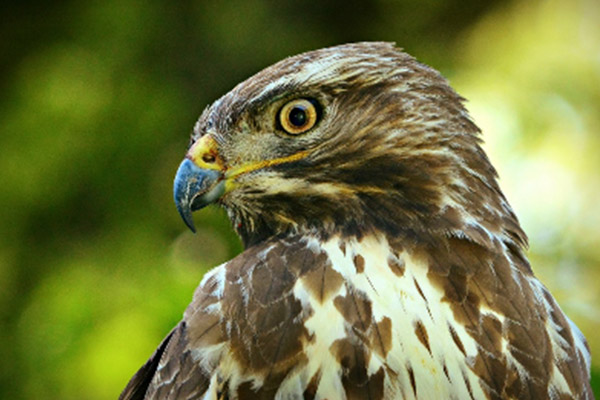
Buzzards have been making a huge comeback and are now Britain's most abundant bird of prey, breeding in every single county since the year 2000.
Numbers have now reached the region of 68,000 breeding pairs, as opposed to a low of 1000 in the early 1900s when they were widely culled by gamekeepers who wrongly believed they were a huge threat to their game birds; thankfully this practice is now illegal.
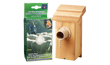
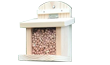
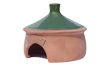
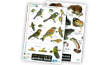
Would you like to attract more birds into your garden? Perhaps your garden has been looking a little lifeless and in need of some feathered friends?
Wild birds are appreciative of food, water and space to shelter, particularly if you live in a built-up residential area where greenery is sparse.
That's why we want to inspire you to turn your garden into a haven for birds! Adding some simple features to your garden can make all the difference.
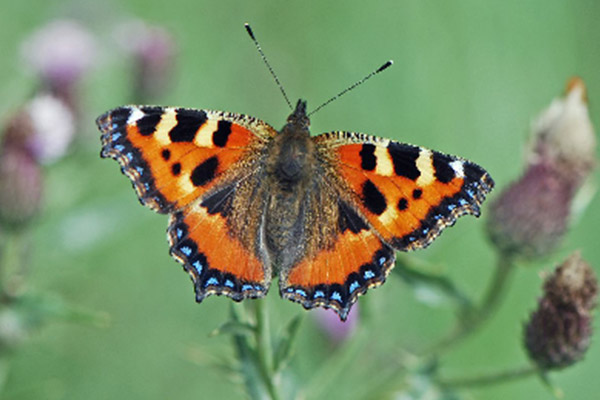
Today is the first day of the Butterly Conservation's 'Big Butterfly Count 2019' and this year it's running until 11th August (plenty of time to get involved!)
All you have to do is find a place to sit for 15 minutes and record the number of butterflies of each species that you see, plus two species of day-flying moth.
There are a few places that are particularly good if you want to look for butterflies including your garden, a park or a wooded area.
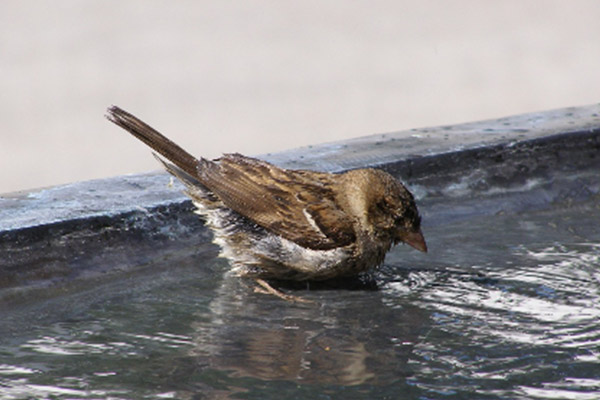
Arguably more important than providing food for our garden birds is ensuring they have access to fresh, clean water for bathing and drinking.
You'd be forgiven for thinking that their need for water is met elsewhere, particularly if you live near a river or lake, but these large bodies of water don't always suit smaller birds.
Providing a bird bath is a great way to attract birds into your garden. If you have a water feature or running water, they will thank you all the more!
We were expecting June to be a scorching month but it’s been surprisingly damp! We can’t complain because it’s kept our crops happy and healthy. So, what’s been going happening on the farm this month?
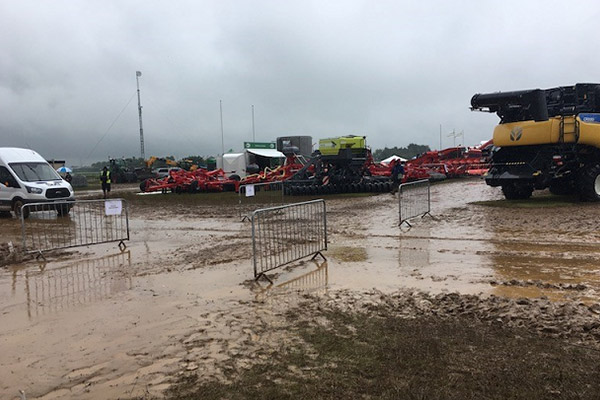
Mud Glorious Mud at The Cereals Event
On the 17th June Richard headed off to the annual 'Cereals Event' at Boothby Graffoe, just south of Lincoln. This is the main technical event of the year for arable farmers, and the best opportunity to learn about advances in arable farming.