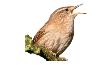
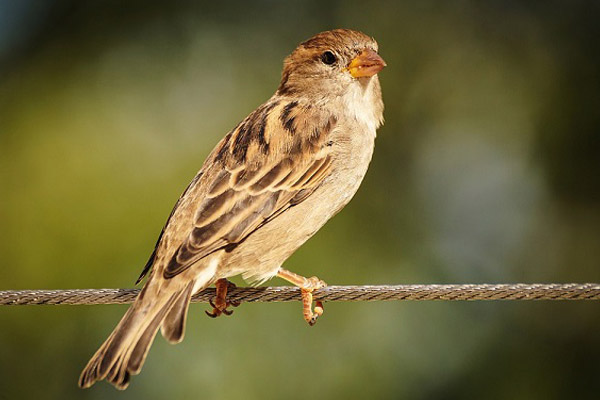
A much-loved garden-dweller across the globe, the songful sparrow is a welcome addition to any garden, providing a cheery sight and a wholesome ambience.
However, a decline in numbers has led to concern over the humble sparrow’s ability to survive in the UK.
In fact, certain areas of the UK (such as Yorkshire and London) have seen the population of House Sparrows in particular drop by a staggering 70% between 1995 and 2017, according to the Breeding Bird Survey 2018.
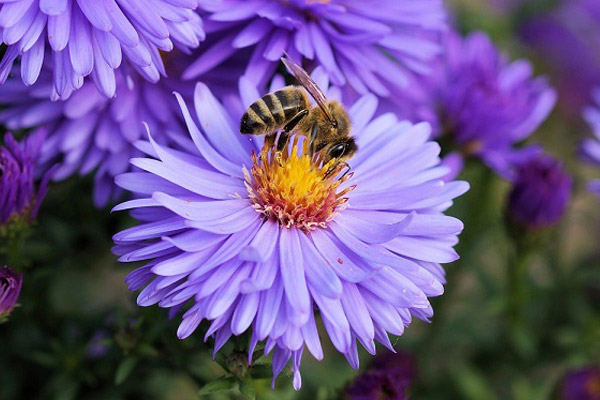
The humble bumblebee is one of the most important pollinators in the world, playing a vital part in the global ecosystem in terms of food - including fruits and vegetables - as well as other useful crops, like cotton and flax.
The pollinatory power of bees also has a profound influence on both the meat and dairy industries, as they also help pollinate clover and alfalfa - two primary food sources for cattle.
Here at Street End Farm, we are constantly reviewing our environmental position. Although not an organic farm, we do try to use as little chemicals as possible, favouring other farming methods like crop rotation and companion cropping to manage pests and other risks to the harvest.
Being a mail-order company, the issue we have is getting the balance right between strong, durable, weather-resistant packaging and our environmental responsibility.
We want your bird seed products to arrive safely but remain protected during delivery.
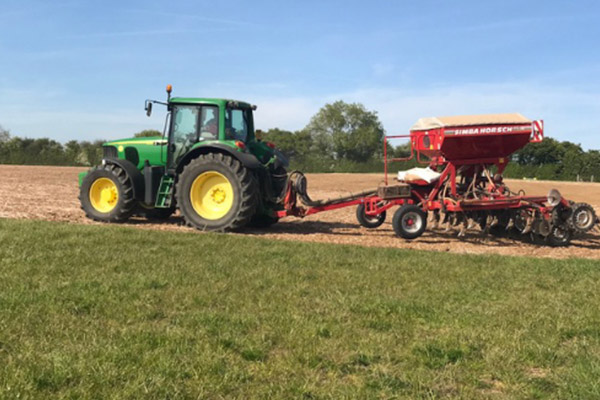
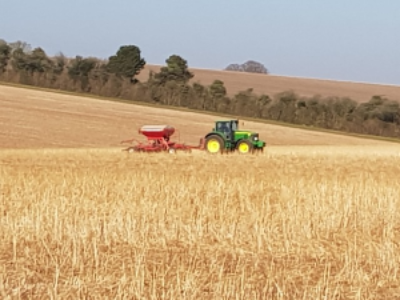
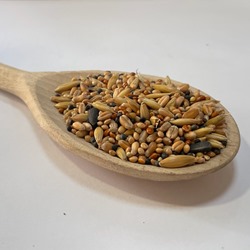
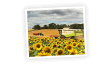
Richard finished spring planting yesterday, with the red millet going in well. The canary seed was planted about a month ago but has been struggling in the dry soil conditions.
The beans are looking strong, but they too need a good drink. Richard planted them deeper this year to help the roots find the moisture.
Planting the millet in these very dry conditions is a risk - the seeds need to be deep enough to find moisture, but not too deep or they won't grow at all!
Recently, a long-term customer came into the shop to make a purchase. Nothing out of the ordinary there, except she had brought with her an envelope full of old catalogues and receipts from us, wanting to know if any of it was still relevant.
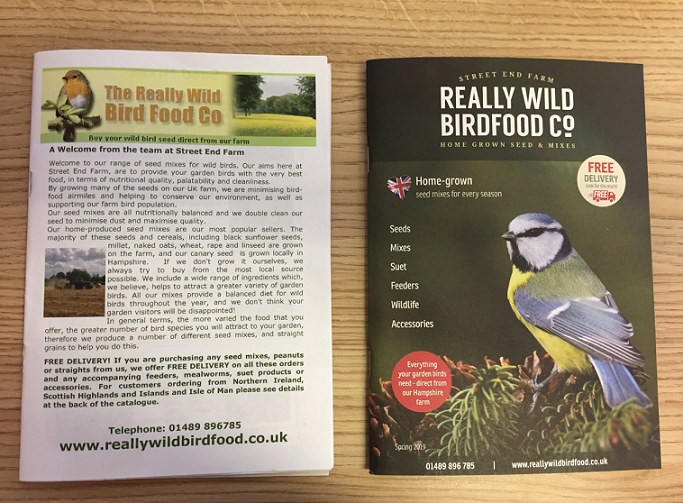
We were pleasantly surprised and delighted when she pulled out a 2009 catalogue! We thought it had long gone, and memories came flooding back for Sian who remembers very well sitting at her desk and laying out the design herself using Microsoft Publisher; not to mention the printing and stapling involved in the operation.
We sent the customer on her way with a brand new 2019 catalogue, of course, (now outsourced!) but have kept a copy of the 2009 version in the office for posterity. A lot of our seed mixes and the products we sell have remained the same, but some we had forgotten about - suet coated peanuts, anyone...? Dried earthworms...?
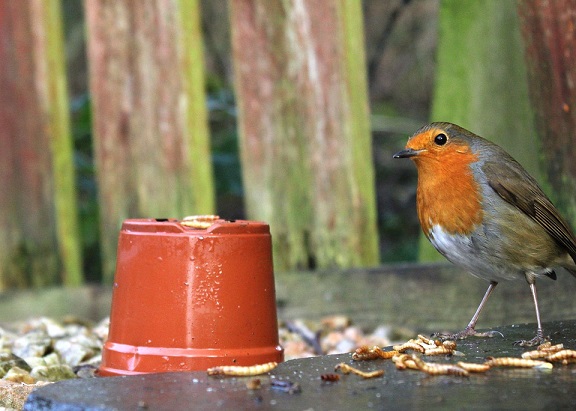
Feeding live bird food to your garden visitors can be a bit intimidating - but it's easier than you think! Read our live bird food tips to get started.
Live bird food usually consists of insects and bugs, and is an alternative to the usual seeds and nuts that tend to fill garden feeders. In nature, insects are a significant part of the diets of many different birds. Hence, the classic image of the early bird getting the worm! Live bird food tends to be a good source of protein for our feathered friends, particularly mealworms.
We know that not everyone is keen to order a bunch of wriggling worms to their house (we do offer dried mealworms as an alternative) but the benefits to your local birds can be worth the discomfort. For some tips and advice on handling live bird food, as well as why you should give it a go, read on!
Why Feed Birds Live Bird Food?
Insectivorous birds (birds who eat insects) are at risk when they don't have access to enough food, and insect populations are in decline in the UK. The lack of mature, native trees in our gardens and ever-decreasing areas of natural woodland means that wild birds cannot find the live bird food they need to feed their young. This means fewer eggs, and fewer fledglings. Help these birds by providing live bird food, particularly during periods of colder weather and breeding periods.
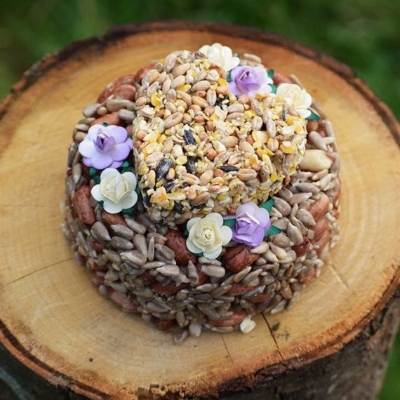
Mothering Sunday falls on 31st March this year when the birds will be in full springtime swing! To celebrate, we have teamed up with local artisan supplier The Bird Bakery to stock a new range of pretty bird cakes, made using our own home-grown seed mixes.
Perfect for your Mum's bird table - or indeed as gifts for other bird lovers in your life - these bird cakes will delight both the recipient and their birds equally.
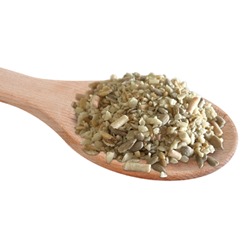
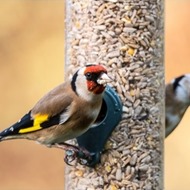
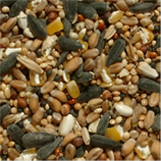
The Heart Bird Seed Cake is filled with premium peanuts and sunflower hearts (packed with protein and essential oils) and the heart-shaped decoration contains a blend of other high-quality seeds to attract a wide range of garden birds including Robins, Finches, Blackbirds, Tits and Sparrows to name but a few.
The Wheels are Turning Again!
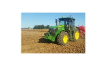
After a few Winter months of inactivity on the land, the extra-ordinary February weather heralded the start of the farming year and the wheels started turning in earnest. Sian's dad has been weather recording for 34 years, and this February he recorded the warmest maximum temperature since his records began; a sultry 21 degrees C on the 26th February. Needless to say, farmers all over Hampshire were hard at work making the most of the beautiful days.
The first job for Richard was to drill our spring beans. This year he is using a variety called 'Lynx' (I do often wonder about the people who market the names for seeds!). To me, Lynx is either a men's deodorant or an elusive, scarce feline. Here's hoping the beans are not that elusive or scarce this year! They had a terrible time last year with flooding and then drought, so we are hopeful growing conditions will be much better this year.





















.jpg)