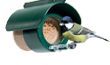
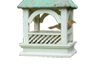
This is the time of year when garden bird numbers soar as fledglings appear en- masse.
This is also the most critical time of year to offer high quality, easily digestible food, especially if the weather is dodgy and the insect population is low.
That is because if you feed more youngsters now - you will have more adults all year - it is a simple equation!
Here are some ideas for you to help fill those hungry beaks over the next few months!
Up, up and away...or found on the ground?
I am often contacted by people who have found a young garden bird (or birds) sitting on the ground and looking as if they have been abandoned by their parents. This can understandably cause concern.
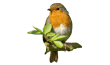
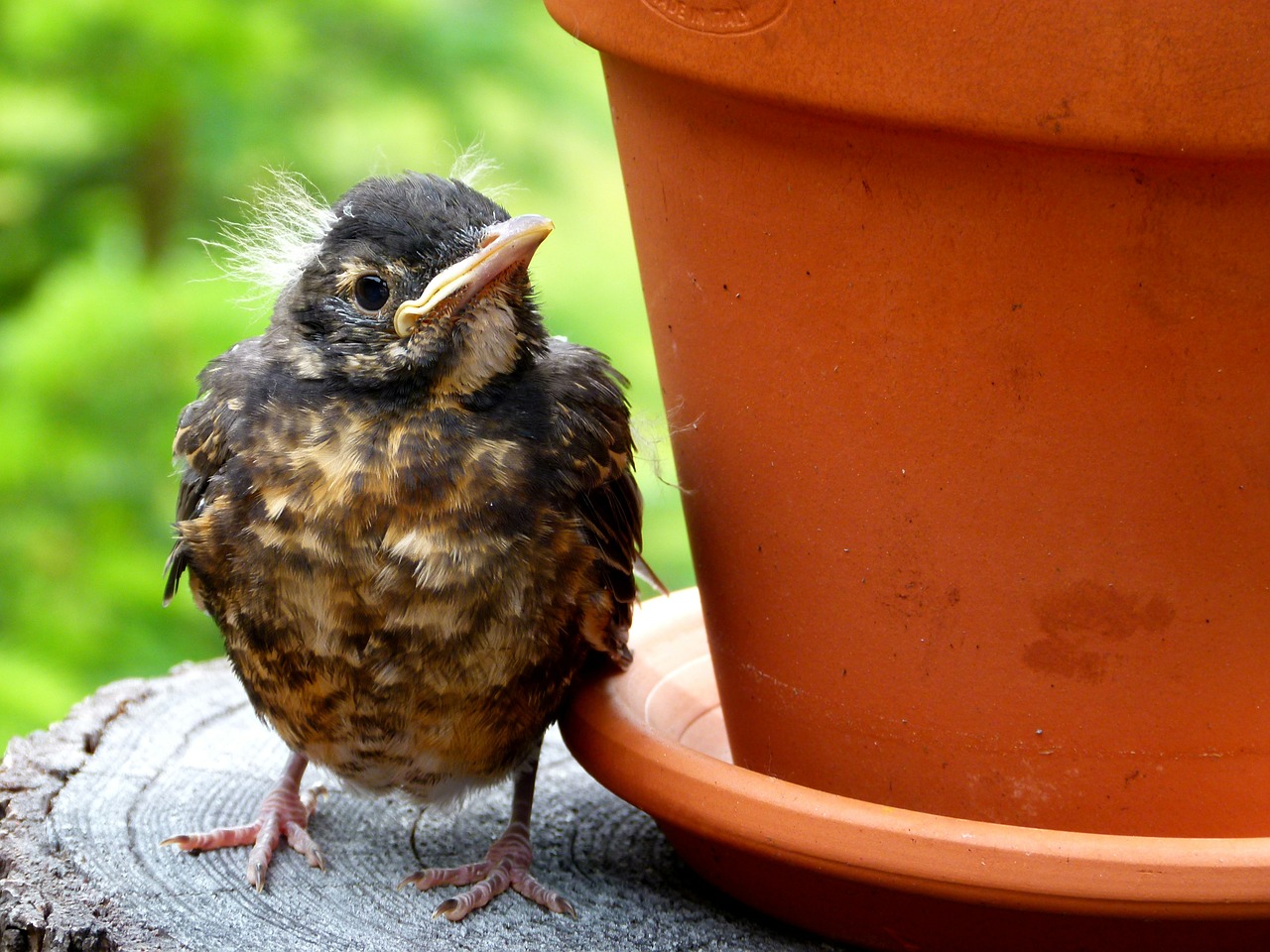
The first thing to say is that this is very common, and in over 95% of cases, there is no need to be worried and you should not intervene. For example, this gorgeous young robin is clearly doing very well for himself and feathering up.
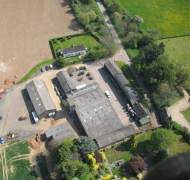
Last week Richard attended a really informative meeting held at Rotherfield Farm near Alton, to hear about the conservation work they are doing to help re-establish grey partridge on the farm and increase lapwing numbers which have been in sharp decline over the last decade. The farm is owned by Sir James Scott and has been in the family for the last 200 years. It is a 5,000 acre estate, with arable, forestry and a large dairy.
Grey partridge are one of the 3 main indicators for modern day farming. The other two are brown hares and skylarks. Here on the farm we have hares and skylarks in abundance, but we lost our grey partridge about 5 years ago - so this was a fantastic opportunity for Richard to find out what we can do to help them recover.
Grey Partridge
So far, April has been a very dry month here on the farm. In fact, we haven't had a single drop of rain all month. This means that our spring barley which we planted in early April badly now needs a drink. Rain is forecast next week and I am sure there will be some mightily relieved growers everywhere when the rainclouds appear.
This year, we have tried direct drilling for the first time and we are very excited about the huge positive impact this type of drilling may have on our farm. You may remember that last November Richard topped off a field of mustard which we had sown after harvest as a 'cover crop' to hold nutrients and moisture in the ground.
Mustard planted after harvest last year and used as a cover crop for this year's naked oats
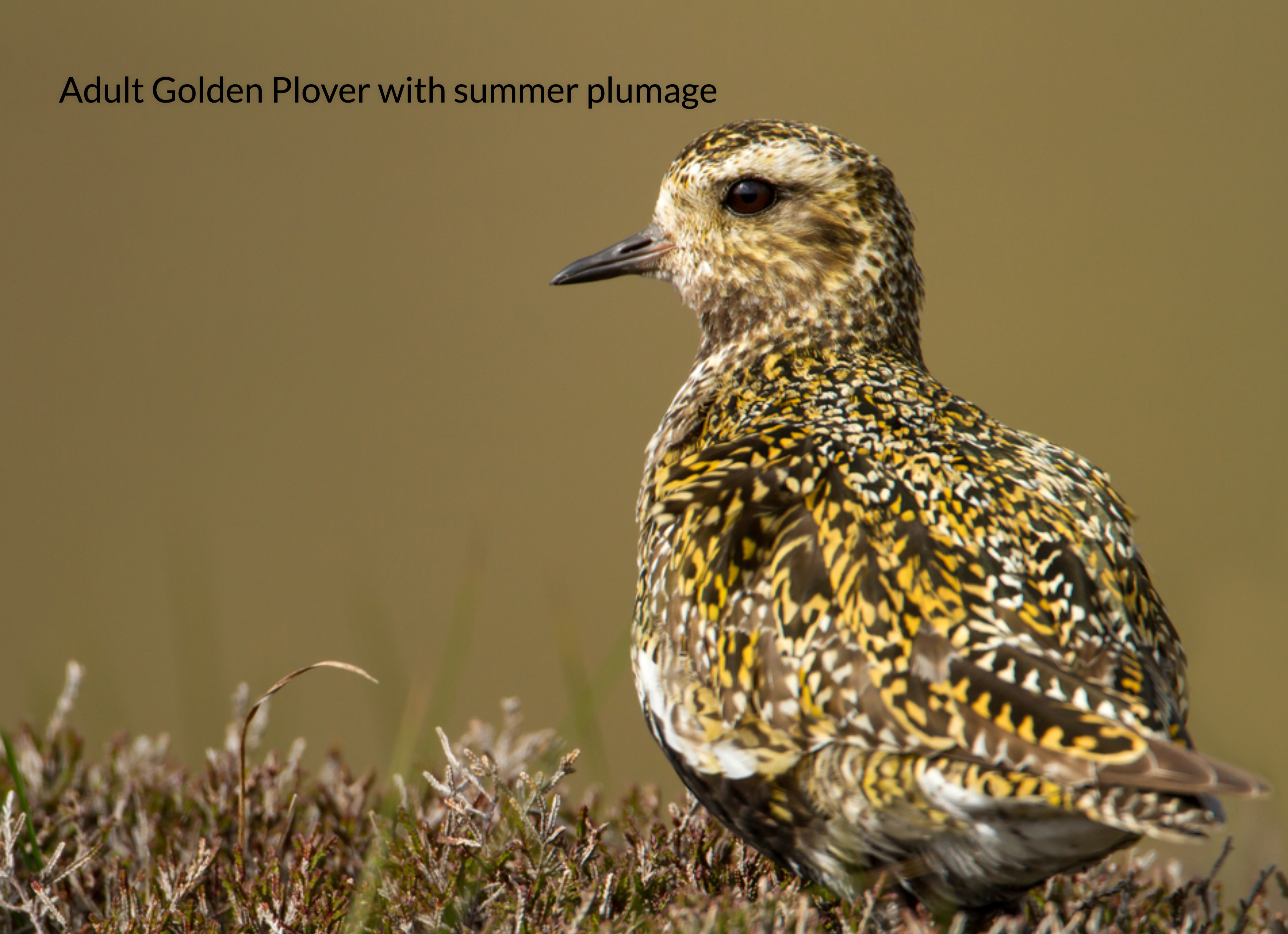
This year, for the first time in about 5 or 6 years, we have a flock of Golden Plover back on the farm, which is really lovely to see. They are enjoying our over-wintered stubble fields, where they can get stuck into all sorts of worms and invertebrates, and they are also enjoying our grass seed, wild bird cover seed and hedgerow berries. As I am writing this, I am wondering whether the plural is 'plover' or plovers'? One sounds right, the other looks right...need to consult the dictionary!
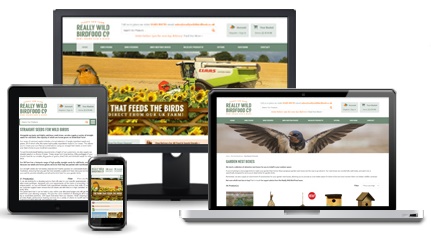
As you may have already noticed, we've had a bit of a makeover here at reallywildbirdfood.co.uk. Our new website went live yesterday, and we're very happy with it - we hope you like it too!
Not only does our website have an eye-catching new look, it also has responsive functionality that makes it easier to browse and buy our products on a smartphone or tablet. The dynamic design 'responds' to the size of the screen you're using, giving you a smooth online shopping experience across all kinds of different devices!
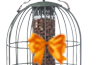
We at Really Wild Bird Food offer an extensive range of stand-alone feeder cages and guardians, which can be used with your existing feeders to make life much more difficult for squirrels and large, unwelcome birds like seagulls and pigeons. We also stock Nuttery caged bird feeders, which include both the guardian and the feeder itself.
Click here to browse our full range of feeder guardians, or choose from the featured products listed below. Remember, we offer FREE delivery on all feeders IF you also order seeds or live worms from our Bird Foods department.
Two sizes available (small or large). Compatible with Droll Yankee tubular feeders.
Buy now >