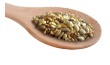
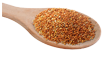
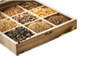
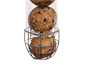
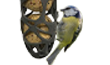
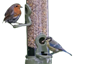
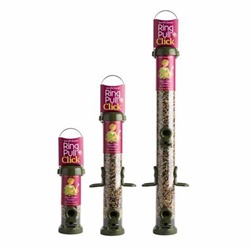
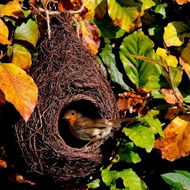
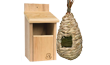
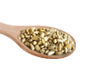
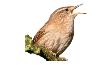
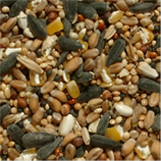
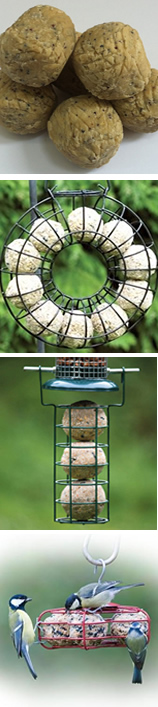
There is a great variety of bird feed available for the wild birds. Amongst these seeds and mealworms are the fatballs which are one of the most popular forms of bird feed. Fatballs prove to be excellent feed options for the birds especially during the winter.
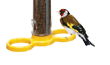
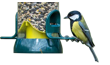
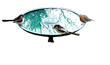
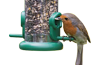
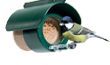
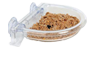
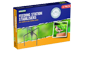
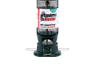
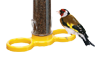
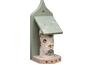
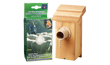
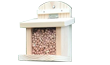
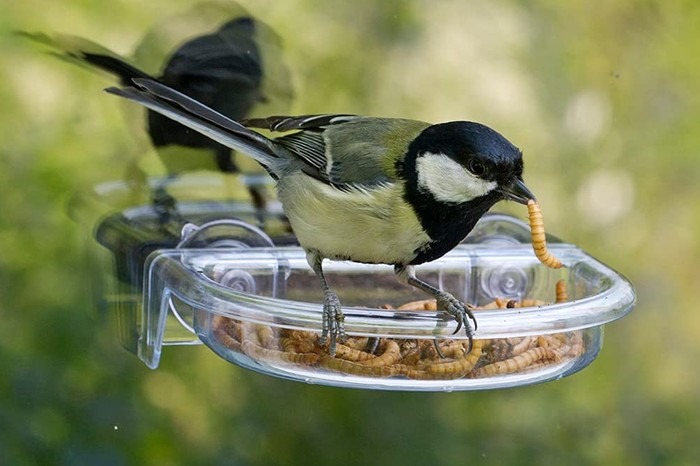
Window bird feeders are perfect for bird lovers who don’t have enough space for a large bird feeding pole or table but still want to feed their local birds. These feeders come in a variety of different designs and are usually attached to the window with a strong suction cup.
However, it is estimated by the British Trust for Ornithology that up to 33 million birds die in the UK each year from collisions with windows. This begs the question: do window feeders perpetuate this issue by encouraging birds to fly close to windows for food? Are window bird feeders safe for our feathery friends? Keep reading to find out!
Are Window Bird Feeders Dangerous for Birds?
Most window feeders are actually designed to reduce the risk of window collisions. Window feeders help birds recognise the solid surface of the window, thus reducing the risk of collisions caused by reflections.
Also, if the feeder is placed close to the window, even panicked birds are less likely to gain enough speed to injure themselves if they fly into the glass after eating. This is why it is recommended to place all kinds of bird feeders within 3 feet of windows as birds approaching a feeder to eat will fly in at a very different angle compared to birds that are trying to fly through the window, believing there is a tree or tunnel in the distance.
However, if your window feeder becomes particularly busy, there is still a chance that nervous birds will scatter and see a reflection in the window that they will try fly towards, causing window strikes. For tips on how to prevent accidents like this from happening, check out the list below!
Window Bird Feeder Tips
- Using dots, decals or other window alerts will help birds recognise glass barriers and avoid collisions.
- Always elevate your window feeders at least 5 feet off the ground to protect your local birds from predators like cats.
- Position your feeder near a natural shelter like a bush or tree so that they can quickly escape if they sense danger. This will also make them more likely to visit!
- Avoid placing your window feeder near high traffic areas like living rooms or kitchens where movement and noise may scare birds away.
- Make sure you clean your window feeder at least once a week to protect your garden birds from diseases.
Benefits of Window Bird Feeders
- Window feeders are a great option for people who live in a flat or building with no outdoor space.
- Window feeders allow bird lovers to see their favourite garden birds up close without disturbing them.
- A huge variety of birds enjoy using window bird feeders, so you’re sure to see a variety of your local birds.
So, are window bird feeders safe? Yes! Window bird feeders offer a safe way to get up close and personal with your favourite garden birds while also protecting them from window collisions.
To see our full range of window feeders, click button below and if you have any further questions about the safety of window feeders or any of our other bird feeding products, please don’t hesitate to get in touch and a member of our team will be happy to help.
Shop Window Feeders Contact Us
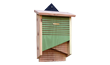
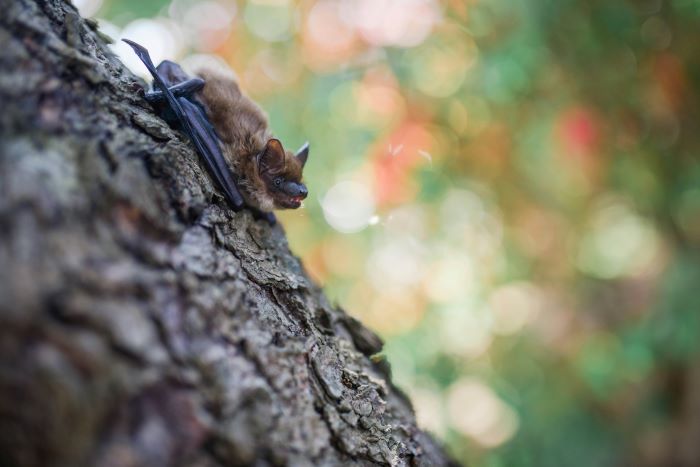
What started off as just bird friendly gardens has expanded to butterfly and even hedgehog friendly gardens; and now, in an attempt to help the dwindling population of UK bats, there are many people who are encouraging bats to be their garden guests.
Photo courtesy of Jared Belson
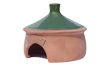
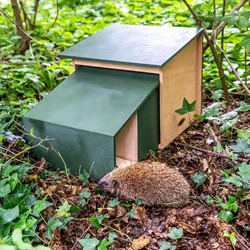
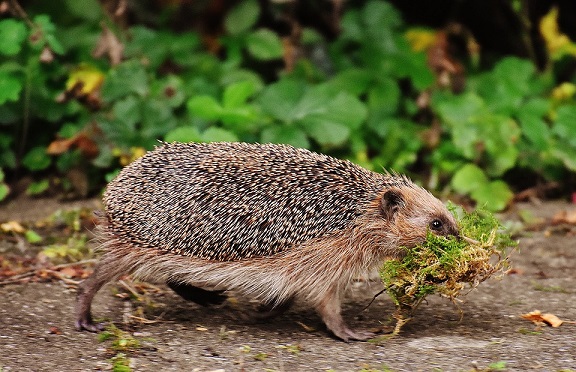
There are about seventeen different hedgehog species all over the world. Hedgehogs are commonly found in wild, rural, and urban habitats in almost all parts of Britain.
This year’s harvest of grain for bird feed was truly a bumper crop with record yields recorded across most varieties. All our available barn space is filled to the rafters with grain and every nook and cranny (including a few trailers!) seems to be holding grain of some sort.
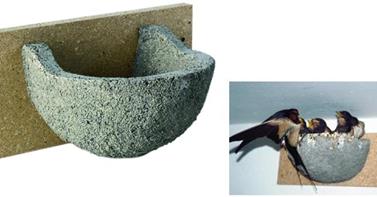
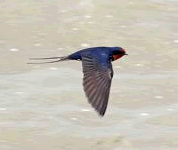
Swallows are an interesting species of bird. These birds tend to return to their previous nests after their long and tiring migration journeys from their winter locations. At the onset of the spring you generally start receiving these tiny feathered friends around the roof tops looking for a nest to prepare for their next brood.
The swallows are not usually very picky and can even settle in cavities that exist here and there or might even make use of some other existing nests. There are of course those swallows who like to create new nests using soft mud. These birds tend to build their nests in places that are well hidden from the bigger predators as also safe from the harsh weather.
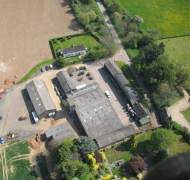
It fills my heart with pride to see our Swallows back and swooping over our Really Wild Bird feed production farm. They are miracles of migration. It is very humbling to think that they navigated the 3,000 miles back from South Africa ( via the treacherous Sahara desert ) to Street End Farm, without any need for a post code or a TomTom! Weighing in at a meagre 20g (about the weight of 2 x £1 coins) - I wonder how much they lose during their trip? The coincidental arrival of Eleanor's pony, Megan, and the pile of associated pony dung will create an additional source of airborne insects for the Swallows to replenish their depleted stores. Isn't it amazing to think that Barn Swallows will feed their young about 400 times in a day…that is dedication for you! I can only hope that this summer will be better for them than last - surely it has to be?
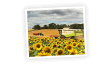
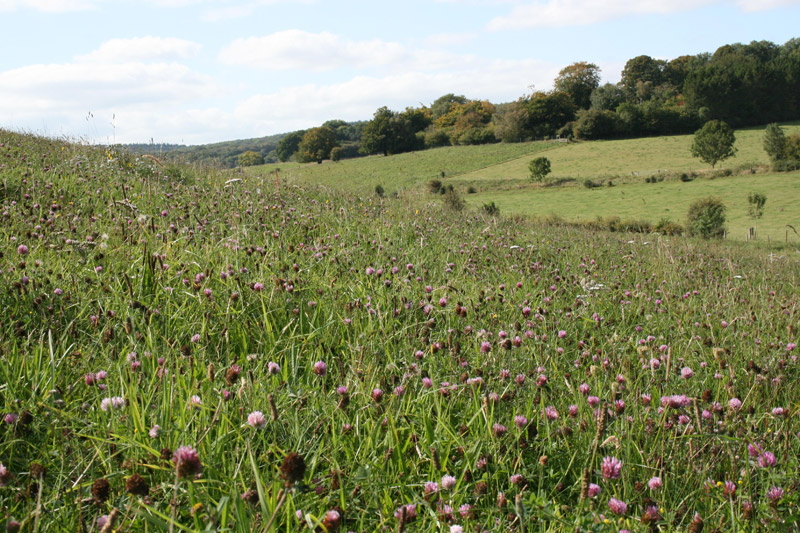
In addition to bird feed we now offer a wildflower seeds to enable you to grow your own area of wild flowers that is so beneficial for wildlife. The new seed mixes in stock include the Cornflower Annuals, Bumblebee Mixture, Blaze and the Old English Meadow.
If you are looking for something that will last the entire summer, then the Cornflower Annuals are your best choice. Often found in the corn fields these beautiful bright flowers will bring in a mass of colour to your garden and are also great for insects and birds as the provide pollen and nectar. A light cultivation of the land will also ensure new growth as these multiply by dropping their seed.