NEWS FROM THE FARM
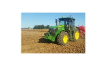
The last few days have been extremely cold on the farm with harsh over-night frosts. At this time of year farm work is very quiet; predictably, the tractors are in shed. But we have been busy doing other things - like improvements and repairs!
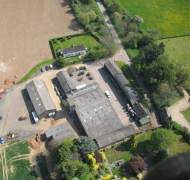
This shed is destined to be our new pallet store. As our business grows, space continues to be a major challenge for us. This shed used to house grain storage bins, but we have removed them to create a useable and much-needed pallet store.
NEWS FROM THE FARM
As I write this, there have been snow flurries here in the south and the temperature has certainly dropped by a few degrees.
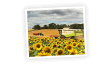
October was a lovely month for us; dry and warm, which meant our cover crops grew really well. Our buckwheat flowered for a long time providing some very welcome late nectar for the bees. However buckwheat doesn't like cold weather and it has started to fall over now. The linseed was somewhat slower to flower so didn't provide much late-season help for the bees.
This was Richard's first home produced cover crop and he is very pleased with the mix ratios of the various plants that he put together. This particular cover crop contained the following: oats, phacelia, linseed, buckwheat and sunflowers. Each element with a specific function, contributing to improved soil quality and stability.
Last week Richard attended a really informative meeting held at Rotherfield Farm near Alton, to hear about the conservation work they are doing to help re-establish grey partridge on the farm and increase lapwing numbers which have been in sharp decline over the last decade. The farm is owned by Sir James Scott and has been in the family for the last 200 years. It is a 5,000 acre estate, with arable, forestry and a large dairy.
Grey partridge are one of the 3 main indicators for modern day farming. The other two are brown hares and skylarks. Here on the farm we have hares and skylarks in abundance, but we lost our grey partridge about 5 years ago - so this was a fantastic opportunity for Richard to find out what we can do to help them recover.
Grey Partridge
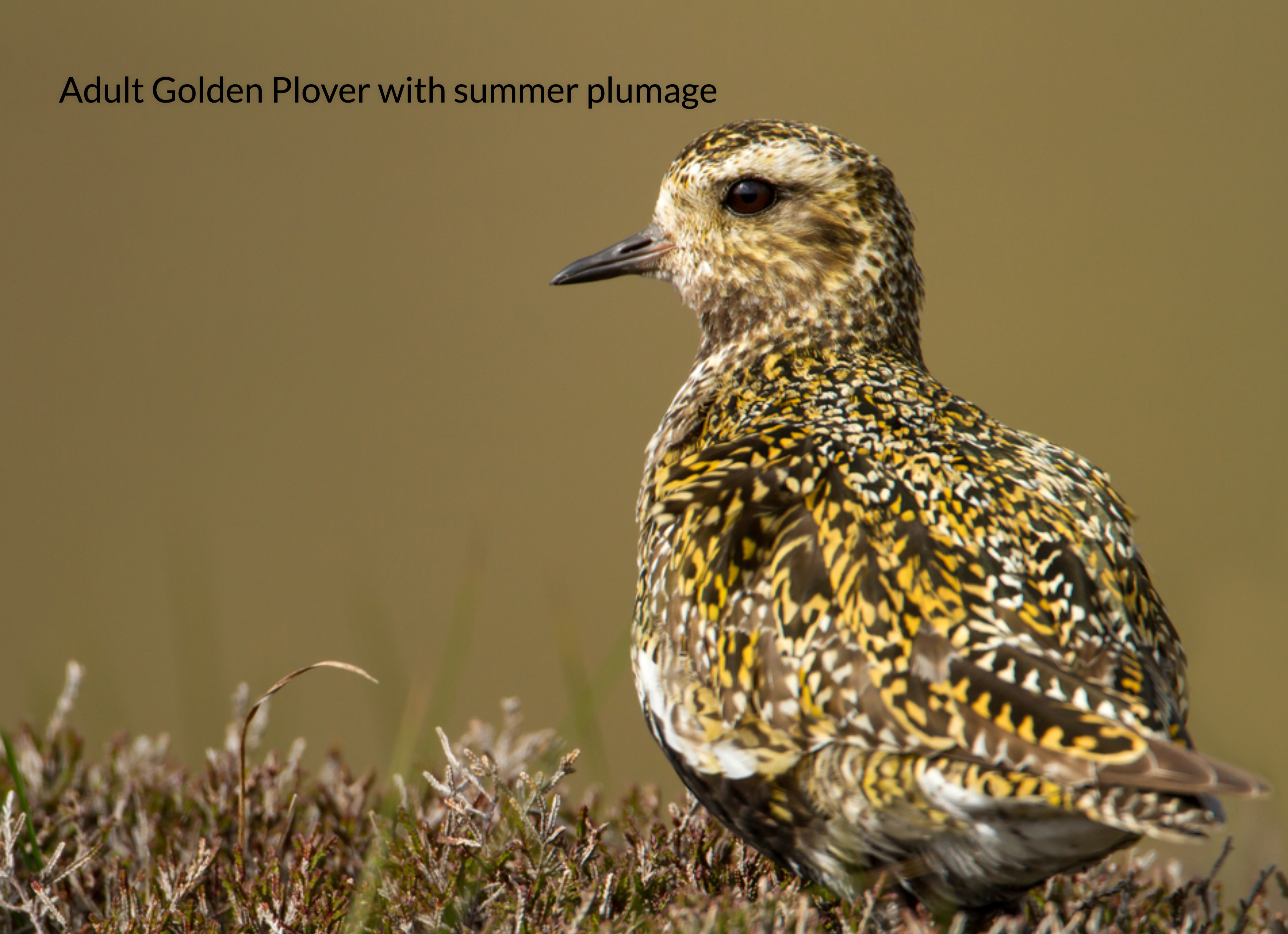
This year, for the first time in about 5 or 6 years, we have a flock of Golden Plover back on the farm, which is really lovely to see. They are enjoying our over-wintered stubble fields, where they can get stuck into all sorts of worms and invertebrates, and they are also enjoying our grass seed, wild bird cover seed and hedgerow berries. As I am writing this, I am wondering whether the plural is 'plover' or plovers'? One sounds right, the other looks right...need to consult the dictionary!
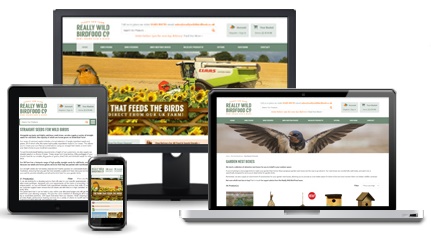
As you may have already noticed, we've had a bit of a makeover here at reallywildbirdfood.co.uk. Our new website went live yesterday, and we're very happy with it - we hope you like it too!
Not only does our website have an eye-catching new look, it also has responsive functionality that makes it easier to browse and buy our products on a smartphone or tablet. The dynamic design 'responds' to the size of the screen you're using, giving you a smooth online shopping experience across all kinds of different devices!
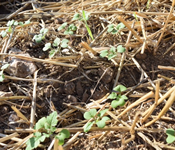
This year, for the first time, we have been trialling the use of Mustard as a 'Green Manure' in the fields that will grow our naked oats and millet next year. We are hoping this will help grow us a bumper crop next summer.
One of the best things about green manure is that is saves us money!
The days are getting shorter and the farm is starting to have a very Autumnal 'feel' to it! During September we harvested our spring beans.
Their variety is 'Fuego' and as a bean, they are leguminous, so we use them as a break crop to return nitrogen to the soil before the next crop of wheat is grown. The beans were sown in late March and this year they yielded tremendously well. It is important with beans that they have the correct moisture content when harvested; if they are too dry, the pods shatter and the beans bounce out the front of the combine onto the floor - which is wasteful and expensive!
Last week we spotted a red kite soaring over the farm. It is not an uncommon occurrence nowadays. These spectacular birds which are easily identifiable by their forked tails, chestnut colour and white patches on the underside of what can be a 2 metre wingspan became extinct in England and Scotland in the 1870's with only a few birds remaining in mid Wales.