17 Feb 2025
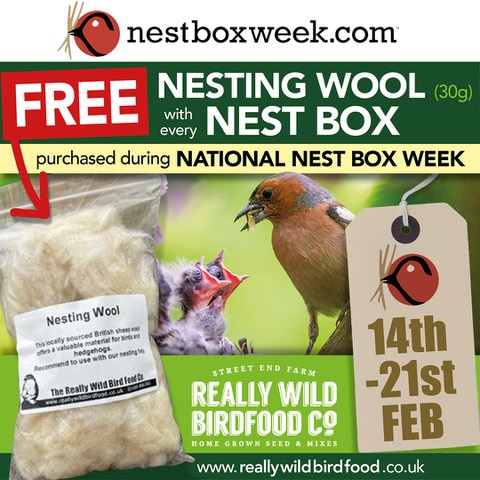
Free nesting wool with every nest box purchased until 21st Feb 2025

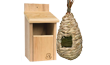
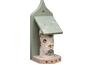
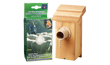
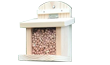
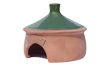
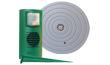
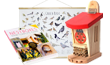
It's National Nestbox Week, and we've got lots going on! Here are some of our top nest box deals...

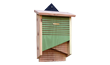
FREE Nesting Wool With Every Nest Box!

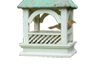
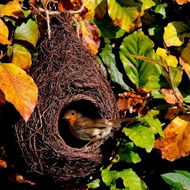
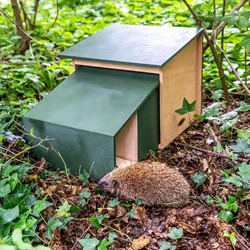
We have nest boxes for robins, woodpeckers, tits, sparrows, pied flycatchers, wrens, blackbirds, swallows, house martins and many other UK birds.

And we will include a free 30g bag of nesting wool with every nest box purchased until 21st February 2025!

Browse Nest Boxes


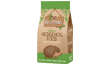
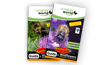
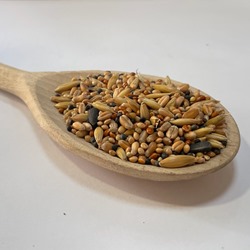
Premium Peanuts

FROM £13.50
Back in stock!

Our customer J. Foxon says: "These are the best peanuts I can find anywhere. Very high quality and value for money. I buy them on a regular basis and will continue to do so. Great customer service and reliable company."

Buy Premium Peanuts


Enjoy home-making with your birds!

With best wishes,
Lesley

04 Feb 2025
National Nestbox Week Offer

National Nestbox Week will take place on 14th - 21st February 2025.

30 Jan 2025
urban birds

As the human population continues to expand, so does the demand for new housing. This means that in recent years, our urban landscape has continued to encroach  more and more on natural spaces and countrysides, forcing birds and other wildlife to either move on and find a new place to live, or adapt and survive.

27 Jan 2025

It's Cold, Windy and Wet Out There!

January is proving to be a really tricky month for garden birds as high winds and heavy rain make feeding a challenge. Time at feeders is reduced because, quite simply it is difficult to hang on when branches and feeding stations are being constantly buffeted. So to help your garden birds out, try to relocate feeders , where you can, to more sheltered areas of your garden; perhaps in the lea of a garden hedge or bush.


In terms of feeding, offer them the highest quality and highest energy foods - that will help them to maintain their calorie intake during the reduced time they are able to feed. Check out our Winter Warmer Range of bird foods - all of which have the highest calorie content so desperately needed at this time of year. Just look out for our Winter Warmer Logos!


Shop Warming Suet Blocks Here 

And of course, whilst the days are starting to lengthen, they are still very short in January - contributing to the significant challenge for garden birds.

The third thing you can do is put up some nest boxes or place a few nesting pouches or pockets which will act as a simple shelter to high winds and driving rain. These are an effective and cheap way to provide more shelter.


National Nest Box Week  14th-21st February 

National Nest Box Week takes place every February (starting on Valentine's Day) and heralds the start of the breeding season. With all this bad weather we are currently experiencing, it seems unlikely that garden birds will be considering romance, but you will begin to hear more birdsong in your gardens, as many species will start to establish their territory and attract potential mates to nest. Every year our family business gets behind the initiative which was started by the British Trust for Ornithology ( BTO ) and we will be offering a range of nest boxes to help support romance and true love! More about this in my next newsletter.

Look after your birds.

With best wishes from me and  the A Team  (that's these guys! ) here on the farm!

Lesley

23 Jan 2025

Unfortunately, many of Britain’s favourite feathered friends are becoming more difficult to spot due to declining bird populations. Endangered UK birds are threatened by issues like global warming, disease, and food scarcity.

In the UK, the Birds of Conservation Concern (BoCC) system is used to sort bird species into three different lists: Red, Amber and Green. The Red List comprises the UK’s most endangered birds, many of which are at risk of extinction.

All three lists are updated periodically, to give an accurate impression of which birds are currently at risk. Sadly, the picture is getting bleaker as time goes by; the most recent edition of the Red List (published in 2021) featured eleven more birds than the previous one.

Read on to learn about some of the UK’s most endangered bird species, as well as what can be done to help them.

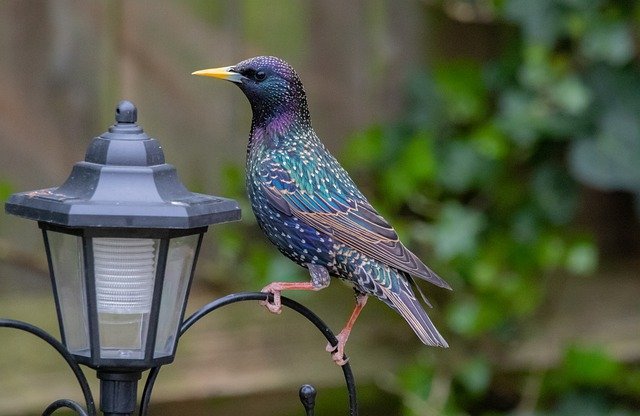
1) Starling

Found in UK gardens, starlings are excellent mimics!

If you have a bird feeder, you might be surprised to see starlings on this list. After all, they are fairly common visitors to UK gardens. However, their population has drastically declined since the 1980s. This fast rate of decline is extremely concerning and has earned them a place on the Red List.

It’s been suggested that this decline is due to pollution and food scarcity caused by rising temperatures. Starlings eat a wide variety of foods, including spiders and moths, as well as nutritious fruit, but it is getting harder for them to access these resources. Putting out fruit for local starlings is just one way you can help – but we’ll have more advice on that later in the article.


2) Goldeneye

A diving duck known for its golden gaze!

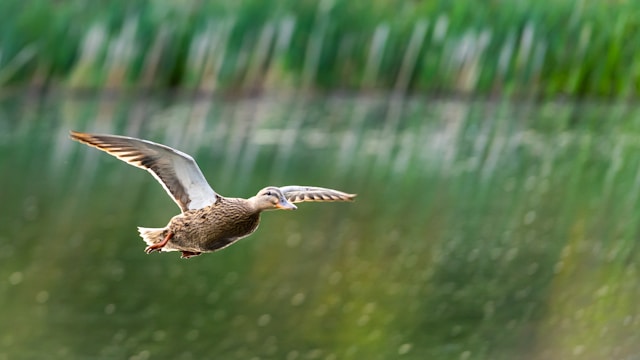
Goldeneye ducks are named for their yellow eyes, which make them easy to recognise despite the fact that males and females have different feather patterns. Brown-headed goldeneye ducks (like the one pictured above) are female, whereas male goldeneyes have green and white heads. You might be more familiar with these birds if you live in Scotland, where many of them nest.

The goldeneye duck has sadly been moved from the Amber List to the Red List, indicating a risk to this bird’s future. There are only around 200 breeding pairs left in the UK. Thankfully, measures have now been taken to try and save this duck, and there were more than 25 young goldeneyes born in Cairngorms National Park in 2023.


3) Greenfinch

A vibrant, charismatic bird with a distinctive tweet!

Greenfinches might be small, but thanks to their bright feathers and loud ‘wheezing’ bird call, they are easy to spot. If you live in the UK and put out bird seed regularly, you’ve likely seen a greenfinch or two in your garden – possibly with a flock of other finches in tow! They tend to flock together in winter when searching for seeds.

Greenfinches were previously on the Green List, but a rapid decline in breeding population means that they are now a species of conservational concern. This is likely due to an unfortunate spread of the parasite-induced disease known as trichomonosis. Remember to clean your bird feeders regularly!


4) Merlin

The UK’s smallest bird of prey – a small falcon with pointed wings.

Merlins are on the Red List of endangered UK birds due to low population numbers, but their population has fluctuated over time. They were briefly taken off the Red List when numbers went up, though unfortunately they are now considered to be at risk again.

For now, at least, merlins are widespread and can be found throughout much of the UK during breeding season, so you might be able to spot one of these birds near you! In winter, you’ll find merlins hiding out in farmland and coastal marshes.

As a bird of prey, merlins mainly eat smaller birds and mammals – though they will also eat insects.


5) Linnet

Once a common farmland bird, loved for their beautiful birdsong 

A linnet is a type of finch with a pink forehead and breast. Linnets like seeds so much that they were named after them! Specifically, they are named after linseed, which is another name for flaxseeds. You may see linnets among large flocks of seed-seeking birds, particularly on UK farmland. 

According to the RSPB, the UK’s linnet population has declined by 72% since 1967 (mostly due to a loss of their food sources). Even more worryingly, linnets are not just at risk in this country – they are facing a global population decline.


How You Can Help Endangered UK Birds

As you may have noticed, many endangered UK birds are on the Red List because they don’t have access to enough food. Providing nutritious bird foods, like seeds and insects, can help these birds to survive. Giving birds access to a water source can also be helpful, so consider adding a bird bath to your garden if you have room.

As in the case of the greenfinch, bird populations will sometimes decline due to avian diseases. To help prevent the spread of these fatal illnesses, try to keep your bird baths and feeding stations as clean as possible. We recommend using Ark-Klens™ disinfectant (diluted in water) to clean your feeders, tables and baths. And be sure to change feeds regularly; bird seed will go mouldy if left in the feeder for too long.

You can also try to boost natural food sources, which is particularly helpful for birds like starlings who are losing these resources. Create ponds, plant wildflower seeds, and let your grass grow! You could also try planting bushes and hedgerows, so birds like linnets can nest and take cover. Don’t forget to add nesting boxes to your garden, as these can provide birds with necessary shelter from predators and other dangers.

Really Wild Bird Food offers a large variety of supplies for the care and protection of wild birds, including nutritious bird food, homes and feeders. If you’re interested in protecting endangered birds, you can get started through the links below!

Bird Foods      Bird Feeders
23 Jan 2025

Clarkson’s Farm is a British TV series that follows former Top Gear presenter Jeremy Clarkson as he attempts to run a 1,000-acre farm near Chipping Norton in West Oxfordshire. The first series launched in June 2021 and was a surprise hit on Amazon Prime, attracting more than 7.6 million viewers in its first 28 days.

But has this show’s huge popularity helped or hindered the British farm community? Read on to find out what the team here at Street End Farm reckon…


About Clarkson’s Farm

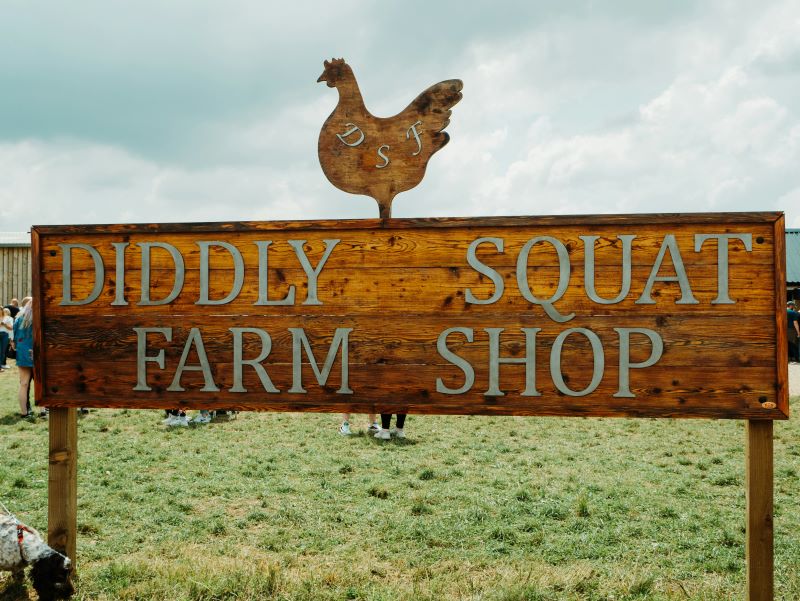
Jeremy Clarkson bought what is now named ‘Diddly Squat Farm’ back in 2008, but he only began working on the farm himself in 2021 after the farmer who had been running it on his behalf retired.

Clarkson, who had no prior farming experience, relied on the help of several local farm workers—particularly Kaleb Cooper, a 21-year-old farmer from Chipping Norton, and Charlie Ireland, a professional agronomist and land agent.

In each instalment of the TV show, Clarkson and his team are faced with a variety of challenges including the worst farming weather in decades, unresponsive crops, unruly animals, and of course an unexpected pandemic.


How Has the Show Been Received?

Fairly well! Despite initial scepticism from UK farmers that Clarkson would use the farming industry as a way to get extra laughs and extra money in his pocket, many in the farming industry have been pleasantly surprised with the show’s content.

It is the general consensus that Clarkson and his team have been successful in shedding light on a lot of the tough issues faced by farmers in the UK at the moment, such as poor mental health from long days of isolation out on the tractors, unpredictable weather as a result of climate change, the loss of farming subsidies, and so much more!

Those in rural communities have been glued to the programme because of its excellent representation of so many of these complex issues that farmers wrestle with in their everyday working lives. Star of the show Kaleb has also inspired many young people to join Young Farmers' Clubs, sparking interest and involvement with farming which is exactly what the industry needs.

Farmer and author James Rebanks has even been quoted as saying that Clarkson has “done more for farmers in one series of Clarkson’s Farm than Countryfile achieved in 30 years” and we’re inclined to agree!

Still, as great as the show is at bringing farming into people’s homes, it should be remembered that Clarkson’s experience is not a perfect reflection of the average farmer’s reality. He reportedly has a £48 million buffer to soften any costly mistakes he makes, and whether he succeeds or fails on the farm, we’re sure his other very many revenue streams, (including a newly opened pub! ) will help him fund the farm. 

Overall, though, it’s a thumbs-up from the Really Wild Bird Food team. The show has drawn huge audiences around the country, so much so that it is on track to release a fourth season in the coming months. We at Street End Farm will definitely be tuning in to see what Clarkson gets up to next!

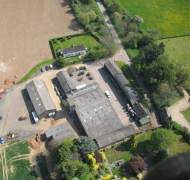
About Our Farm

15 Jan 2025
how birds fly

How do birds fly? They flap their wings, of course! But the mechanics of how this works are actually very interesting.

If you want to understand exactly how a bird soars through the air, we’re more than happy to fill in the blanks. Every flight is the result of millions of years of evolution – not to mention a lot of effort on the bird’s part – and we think that it’s a skill worth appreciating.


How Do Birds Fly?

There are many different kinds of birds, and variations in their wing shapes mean that there are slight differences to how they fly. However, most birds use the following method:

Birds first pull their wings down towards their chest, and then unfold them upwards. Because the front of a wing is lifted higher than the back of the wing, the air moves quickly over the top of it. Air speed has an impact on air pressure; specifically, faster air has less pressure than the slow-moving air beneath the wing.

Air always moves from an area of high pressure to an area of low pressure. For instance, when a car tyre is punctured, the high-pressure air rushes out through the hole. In the case of a bird taking flight, the high-pressure air from beneath the wing is moving up to the low-pressure area above the wing. This creates lift...and up the bird goes!

Imagine placing a piece of paper on a balloon, then puncturing it. The paper would go up with the air that’s leaking out. The difference is that the paper would just move with the air, but a bird can use its tail to steer and shift directions.

So, why can’t we humans do this? Surely, if all it takes to fly is a shift in air pressure, it shouldn’t be hard to make yourself a pair of wings and take to the skies. What do birds have that we don’t?


Birds Are Built to Fly!

Here are some of the biological features (besides wings) that allow birds to fly:

  • Heavier in the middle

All of the heaviest parts of a bird (including most of its organs) are in the middle of its body. This gives the bird a concentrated centre of gravity and keeps the rest of the body nice and light for flight.

  • Hollow bones

Why do birds have hollow bones? To help them fly! Though not all bird bones are actually hollow, birds do tend to have lighter skeletal structures in general, so it’s easier for them to stay aloft. You’ll usually find that the bigger the bird, the more air-filled their bones are!

  • Strong muscles

Oddly enough, this is the main thing that prevents people from flying like birds. We just don’t have the strong muscles that a bird uses to flap its wings so fast, for so long. Human shoulders, unfortunately, are a lot weaker (relative to our size) than the equivalent muscles on a bird.

  • Tails

Most birds steer with their tails! They act like the rudder of a boat, directing the rest of the bird’s body.

  • Sharp eyes

Have you ever tried to see on a really windy day? This is the challenge birds face when they are trying to navigate with air blowing into their tiny eyes. And yet, they still manage it thanks to their exceptionally keen vision.


How Do Birds Start Flying?

Some birds need specific conditions in order to actually take off. After all, generating lift from a complete standstill is difficult – there’s a reason why airports have runways!

Some birds even do the same thing that aeroplanes do, moving along the ground to gain momentum. Pelicans, for instance, will have a short run before they can start to fly. Other birds, like eagles and hawks, will use warm air currents. Rising hot air is a great way for a bird to get the altitude they need to really start flying.

Birds may have trouble flying or taking off if they are unwell, or lack energy. You can help care for birds, and keep them in the air, by providing them with nutritious bird feeds. Just like an aeroplane needs fuel, birds need food!

Click the button below to browse our selection of high-quality bird food, much of which is grown on our own farm in the UK. Our High Energy Blend™ and our Super Suet Fat Balls are particularly good for giving wild birds the energy they need to keep on flying!

Shop Bird Food

10 Jan 2025
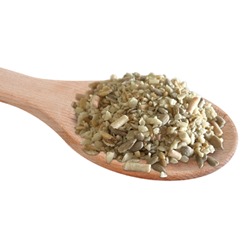
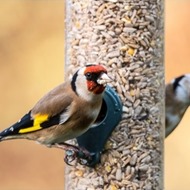
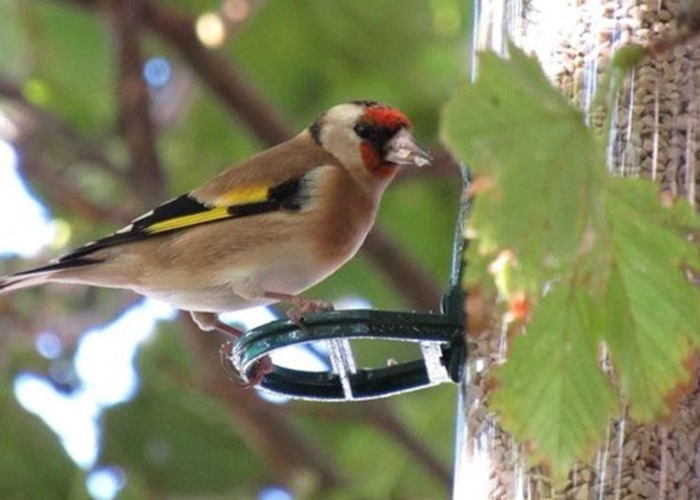
Bird eating sunflower heart chips from a feeder

Both sunflower hearts and sunflower seeds appear in many bird food mixes and provide good nutrition for a wide variety of bird species. But which should you be putting in your feeders: hearts or seeds?

Let's find out.


Sunflower Hearts vs Sunflower Seeds: What's the difference?

Sunflower seeds have hard shells, which birds typically remove in order to eat the seed inside. Sunflower hearts are simply sunflower seeds that have had their shells removed in advance. Whether you buy seeds or hearts, the sunflower heart is the part that your garden birds will actually eat.

Order now from Really Wild Bird Food – we offer FREE DELIVERY on all sunflower seeds and hearts!

Sunflower Hearts   Sunflower Seeds

Sunflower seeds are packed with many key nutrients (like iron, magnesium and vitamins A, B, C and D) so they're always a great choice for bird tables and hanging feeders. But the question remains: is it better to offer sunflower hearts or sunflower seeds?


The Case for Sunflower Hearts

Many birds are not able to de-shell sunflower seeds, but still enjoy eating what's inside them. Sunflower hearts give these birds easy access to delicious, nutritious treats that they would not have been able to access otherwise!

Since sunflower hearts are such a popular food source and easy to access, you'll find that they attract a wide variety of wild birds to your garden. They're a great, versatile option if you aren't sure what kinds of birds live in your area.

Sunflower hearts are much less messy than sunflower seeds, too. With sunflower seeds, you'll likely end up with a small pile of shells beneath your feeder. These can build up and turn into mulch over time. Sunflower hearts don't have shells, helping to prevent this issue! Sunflower hearts are a high energy, less mess option if you would prefer not to have shells left in your garden.

SEE ALSO: No Mess Bird Food


The Case for Sunflower Seeds

At this point, you might be thinking that sunflower hearts are the better option every time—after all, they make life easier for the birds, and they don't leave a mess on your lawn. Why does anyone buy sunflower seeds with the shells on?

Well, the shell-on seeds do offer a few benefits of their own. Firstly, whole sunflower seeds can only be eaten by birds who are able to de-shell them; this may seem like a negative thing, but if you are specifically trying to attract these birds and you don't want their food to be stolen by competitors, sunflower seeds may be preferable to sunflower hearts.

What other aces do sunflower seeds have up their sunflower sleeves? To answer that question, ask yourself why sunflower seeds have shells on them to begin with.

The answer is simple: to protect the contents. Sunflower seed shells with no cracks provide a barrier against damp and mould; nature's protective coating. So sunflower seeds (of which there are black and striped varieties) may be preferable in periods of extreme weather, particularly wet weather where sunflower hearts may go soggy or really cold weather where the hearts can freeze. There is also an argument that black sunflower seeds are nature's bounty and that small seed eating birds should be working for their food in the most natural way possible. Garden birds will naturally visit a feeder, remove a seed and take it to the safety of a nearby tree or bush to then enjoy it. Offering sunflower hearts in a hanging feeder may just be too easy! and birds will spend more time actually on the feeders, which is lovely to watch but can potentially increase the risk of disease transfer and also of sparrohawks swooping in on pre-occupied garden birds.


Which is better: sunflower hearts or sunflower seeds?

Sunflower hearts are generally more popular than sunflower seeds because more birds can eat them and they leave less mess. However, as we've discussed, there are still some good reasons to go with sunflower seeds instead!

Whichever you choose to use in your garden, Really Wild Bird Food can help. We offer a wide range of quality bird feeds, many of which are grown on our very own farm in Hampshire—and we offer FREE DELIVERY on all orders that include bird seed!
Sunflower Hearts   Sunflower Seeds

Image source: reallywildbirdfood.co.uk/straight-seeds/sunflower-heart-chips/shc